


Buying a new refrigerator is exciting, but many people have the same question after plugging it in: how long does it take a new fridge to get cold
The short answer is that most new refrigerators begin cooling within 2 to 4 hours, but they usually need 12 to 24 hours to reach their ideal operating temperature. Some larger models or refrigerators placed in warmer environments may take even longer.
Understanding what affects cooling time helps you avoid food safety issues and ensures your refrigerator performs as designed. Here’s everything you need to know before filling your new fridge with groceries.
How Long Does It Take a New Fridge to Get Cold?
Most modern refrigerators follow a similar cooling timeline:
| Time After Plugging In | What Happens |
|---|---|
| 30–60 minutes | Cooling begins inside the refrigerator. |
| 2–4 hours | Interior starts feeling noticeably cold. |
| 6–8 hours | Many models reach a safe refrigerator temperature. |
| 12–24 hours | Refrigerator and freezer stabilize at their target temperatures. |
Manufacturers commonly recommend waiting at least 24 hours before fully stocking the refrigerator, especially if the freezer needs to freeze fresh food.
Why Does a New Refrigerator Need Time to Cool?
A refrigerator doesn’t become cold instantly because several components must work together.
When you plug it in:
- The compressor starts circulating refrigerant.
- Heat is removed from inside the appliance.
- Cold air gradually spreads through the refrigerator and freezer.
- The insulation and internal shelves also need time to cool down.
Even though the air may feel cool after a few hours, the walls, shelves, and food compartments continue stabilizing over several more hours.
What Can Affect Cooling Time?
No two kitchens are exactly alike. Several factors influence how quickly a refrigerator reaches its ideal temperature.
Room Temperature
A refrigerator placed in a hot garage or warm kitchen has to remove more heat than one installed in a cool room.
Higher ambient temperatures generally mean longer cooling times.
Refrigerator Size
Larger refrigerators contain more air and more interior surfaces that must cool.
French-door and side-by-side models often take slightly longer than compact refrigerators.
Installation Space
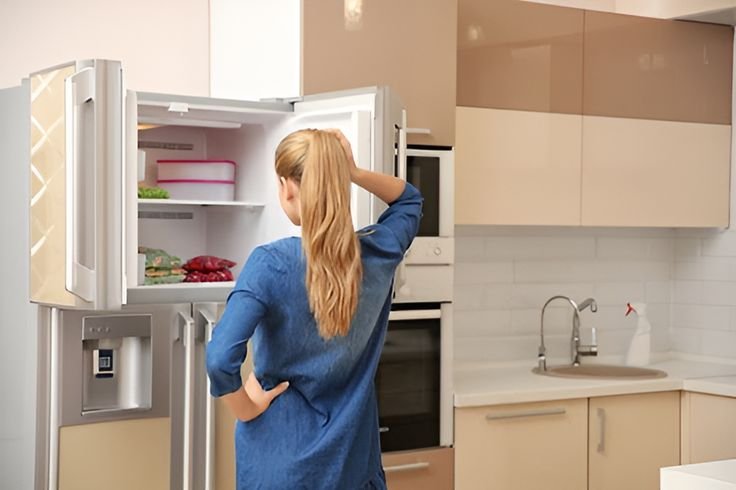
Refrigerators need proper airflow around the back and sides.
If the appliance is pushed tightly against the wall or surrounded by cabinets without enough clearance, heat cannot escape efficiently.
Temperature Settings
If the controls are set too warm initially, the refrigerator will naturally cool more slowly.
A refrigerator temperature around 37°F (3°C) and a freezer temperature of 0°F (-18°C) are commonly recommended.
Door Opening
Opening the door repeatedly during the first few hours lets warm air enter every time.
The more often the door opens, the longer cooling takes.
Should You Wait Before Plugging In a New Refrigerator?
Sometimes, yes.
If the refrigerator was transported upright, you can usually plug it in shortly after installation.
However, if it was transported on its side or back, many manufacturers recommend waiting 4 to 24 hours before plugging it in. This allows compressor oil to settle back into place.
Always check the owner’s manual because recommendations vary by manufacturer.
When Is It Safe to Put Food Inside?
A refrigerator should reach a food-safe temperature before storing perishable items.
As a general guideline:
- Wait at least 4 to 6 hours before adding a small number of items.
- Wait 24 hours before filling it completely.
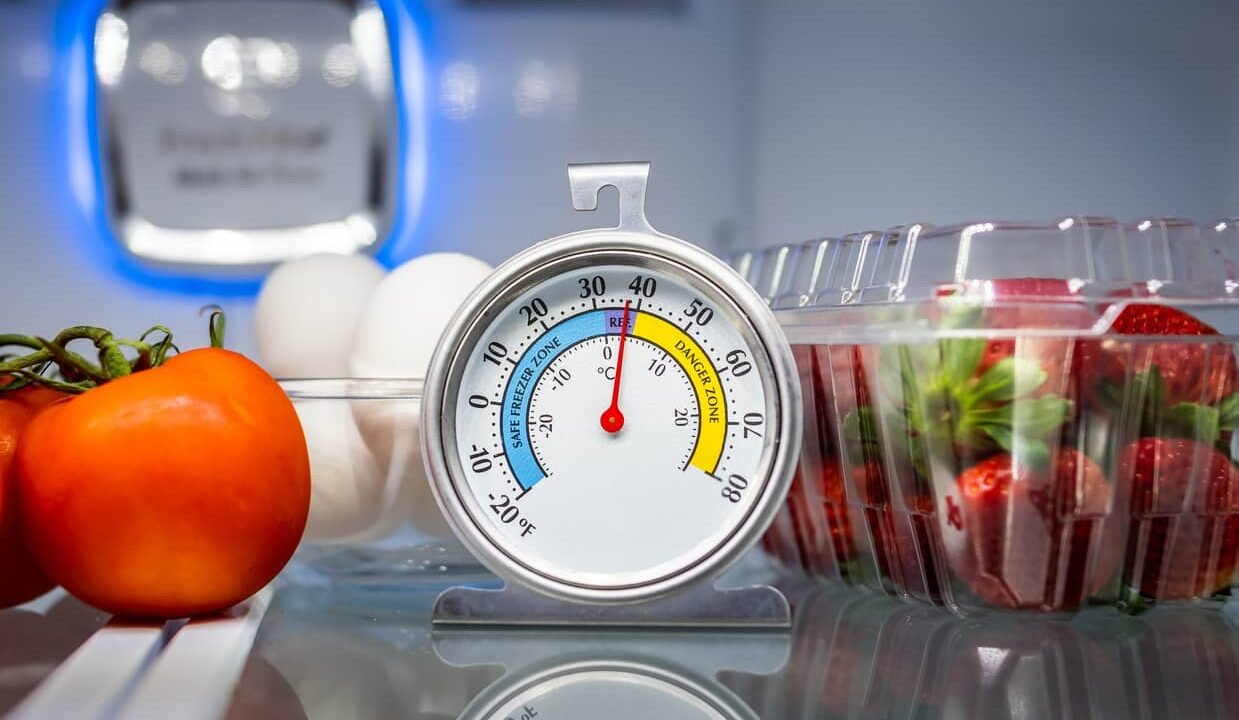
- Use a refrigerator thermometer if you want to verify the temperature instead of guessing.
Milk, meat, seafood, eggs, and leftovers should only be stored once the refrigerator reaches safe cooling temperatures.
How to Help Your New Fridge Cool Faster
Although you can’t dramatically speed up the cooling process, a few simple steps can help your refrigerator work efficiently.
1. Leave Space Around the Refrigerator
Proper ventilation allows heat from the condenser coils to escape.
Follow the manufacturer’s recommended clearance around the appliance.
2. Keep the Doors Closed
Every time the door opens, warm air enters.
Try to avoid checking the temperature every few minutes.
3. Set the Correct Temperature
Avoid setting the refrigerator excessively cold. Extremely low settings don’t always cool the interior faster and may waste energy once normal temperatures are reached.
4. Don’t Overload It Immediately
Adding dozens of room-temperature groceries right away forces the refrigerator to remove a large amount of heat.
Introduce food gradually once the refrigerator reaches a safe temperature.
5. Verify the Power Supply
Make sure the refrigerator is plugged directly into a suitable electrical outlet rather than an overloaded extension cord.
Common Mistakes to Avoid
Many first-time refrigerator owners accidentally slow the cooling process.
Avoid these common mistakes:
- Filling the refrigerator immediately after plugging it in
- Opening the doors repeatedly
- Blocking air vents inside the refrigerator
- Ignoring recommended ventilation space
- Forgetting to remove shipping tape or protective packaging
- Assuming the refrigerator is fully cold simply because the air feels cool
Signs Your Refrigerator Is Cooling Properly
A new refrigerator is usually working as expected if you notice:
- Cool air coming from the interior vents
- The compressor turning on and off periodically
- The freezer beginning to form frost or freeze ice
- Internal temperature gradually dropping throughout the day
Some models may also make clicking, humming, or gurgling sounds during the first day. These are generally normal parts of the cooling cycle.
What If Your New Refrigerator Still Isn’t Cold After 24 Hours?
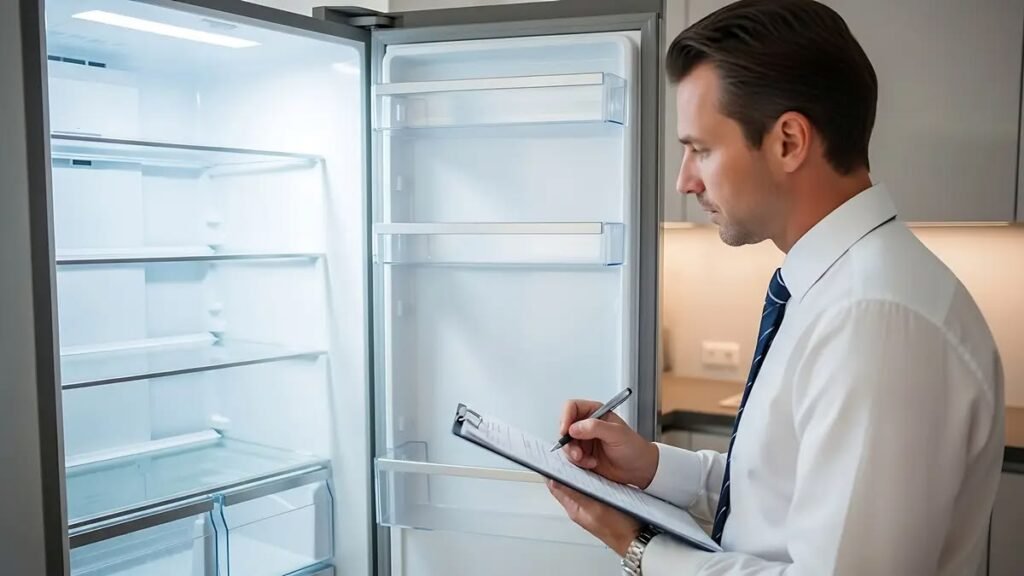
If the refrigerator remains warm after a full day, check a few basic issues before assuming something is wrong.
Make sure:
- The outlet has power.
- The thermostat isn’t set too warm.
- The doors close completely.
- Air vents aren’t blocked.
- Packaging materials have been removed.
If everything appears normal and the appliance still isn’t cooling, contact the manufacturer’s customer support or arrange for warranty service.
Expert Tips for Better Refrigerator Performance
Once your refrigerator reaches the correct temperature, a few habits can keep it running efficiently for years.
- Use a refrigerator thermometer for accurate readings.
- Leave small gaps between food items so cold air can circulate.
- Clean the condenser coils according to the manufacturer’s recommendations.
- Avoid placing hot pots or warm leftovers directly inside.
- Check door seals occasionally for gaps or damage.
These simple practices improve cooling performance while reducing energy consumption.
Final Thoughts
If you’ve been wondering how long does it take a new fridge to get cold, expect the refrigerator to begin cooling within a few hours and reach its full operating temperature within 12 to 24 hours. While it’s tempting to fill it immediately, giving it enough time to stabilize helps protect your food and allows the appliance to operate efficiently.
Patience during the first day pays off. Once the refrigerator reaches the correct temperature, following good maintenance habits will keep it performing reliably for years.
5. FAQ Section
1. How long does it take a new fridge to get cold enough for food?
Most refrigerators become cold enough within 4 to 6 hours, but waiting 24 hours before fully stocking them is the safest approach.
2. Can I use my new refrigerator immediately?
You can turn it on immediately if it was transported upright, but it’s best to wait until it reaches a safe internal temperature before storing perishable food.
3. Why is my new fridge taking so long to cool?
Warm room temperatures, frequent door openings, poor ventilation, or loading it with food too early can all extend cooling time.
4. Should I leave my fridge empty during the first day?
Yes. Leaving it mostly empty allows cold air to circulate freely and helps the refrigerator cool more efficiently.
5. What temperature should a new refrigerator reach?
The refrigerator compartment should be around 37°F (3°C), while the freezer should maintain 0°F (-18°C).
6. Is it normal for a new refrigerator to make noise?
Yes. Humming, clicking, and gurgling sounds are common during the initial cooling process and regular operation.
7. Can I speed up the cooling process?
You can’t significantly accelerate cooling, but keeping the doors closed, ensuring good ventilation, and waiting before adding food will help the refrigerator reach its target temperature efficiently.














No Comments