



The word pouted is common in everyday English, yet many people aren’t completely sure what it means or how to use it correctly. You may hear someone say, “She pouted after losing the game,” or read that a celebrity “pouted for the camera.” Although the same word appears in both situations, the meaning changes slightly depending on the context.
Understanding how pouted is used can improve your vocabulary, make your writing more expressive, and help you better understand conversations, books, and media. This guide explains the meaning of the word, its different uses, and practical examples that show when it fits naturally.
What Does Pouted Mean?
Pouted is the past tense of the verb pout.
The word generally has two common meanings:
- To push the lips forward to show annoyance, disappointment, or unhappiness.
- To push the lips forward intentionally to create an attractive or playful facial expression, especially in photographs.
Because facial expressions communicate emotions, the meaning often depends on the situation.
For example:
- She pouted after her favorite team lost.
- The model pouted during the photo shoot.
In the first sentence, the expression shows disappointment. In the second, it’s simply a pose.
Why Understanding “Pouted” Matters
Words that describe facial expressions add emotion and detail to writing. Instead of saying someone was upset, saying they pouted paints a clearer picture.
Using the right word also helps avoid misunderstandings. A person may pout because they are genuinely disappointed, or they may simply be posing for a camera. The surrounding context tells readers which meaning is intended.
Different Meanings of Pouted
Showing Disappointment
This is probably the most familiar use.
Someone may pout when they:
- Don’t get what they wanted
- Feel ignored
- Are frustrated
- Feel disappointed
Example:
The little boy pouted when dessert was canceled.
The sentence suggests mild disappointment rather than serious anger.
Posing for Photos
In photography and social media, pouted often describes pushing the lips forward to create a certain look.
Example:
She smiled in one photo and pouted in the next.
Here, the expression is intentional rather than emotional.
Expressing Playfulness
Sometimes a pout isn’t serious at all.
Friends, family members, or children may exaggerate a pout for humorous effect.
Example:
He pouted dramatically until everyone started laughing.
The facial expression becomes part of playful communication.
How to Use Pouted Correctly
The word usually follows a person or subject.
Examples:
- She pouted.
- They pouted after hearing the news.
- The actress pouted for the photographer.
- My daughter pouted because bedtime came early.
Notice that the word naturally describes an action rather than a permanent personality trait.
Common Situations Where People Pout
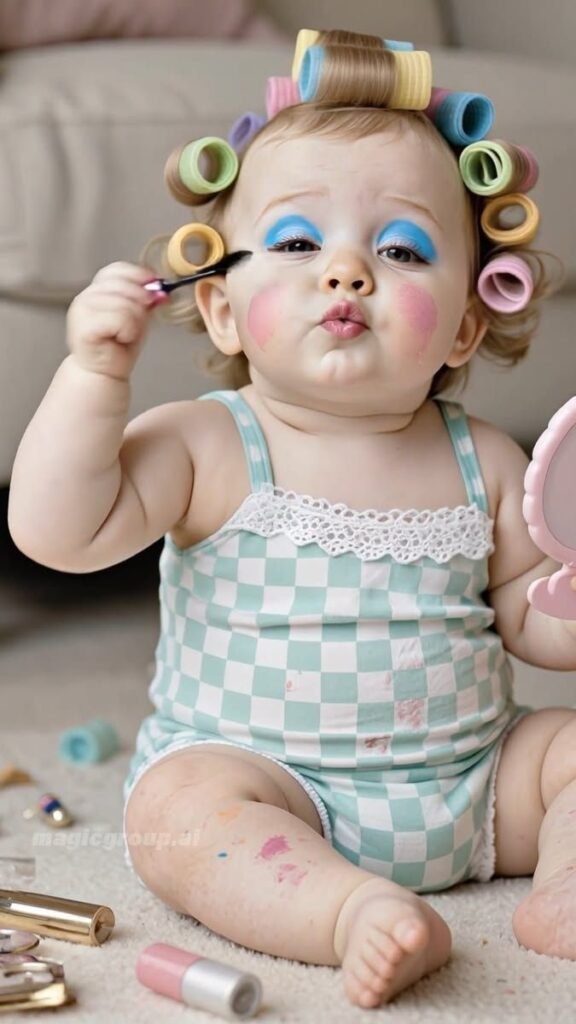
People often pout when they experience small disappointments rather than major emotional events.
Typical situations include:
- Losing a game
- Not getting a desired gift
- Being told “no”
- Missing out on an activity
- Feeling overlooked
- Posing during a fashion or beauty photo shoot
These everyday situations make the word easy to recognize in conversation and writing.
Synonyms for Pouted
Depending on the context, similar words include:
- Sulked
- Frowned
- Pursed lips
- Scowled
- Glowered
- Sulked silently
- Made a face
Each has a slightly different meaning.
For example:
- Sulked usually refers to behavior over a longer period.
- Pouted often describes a brief facial expression.
- Scowled suggests anger rather than disappointment.
Choosing the right synonym makes your writing more precise.
Examples of Pouted in Sentences
Here are several natural examples.
- Emma pouted when her vacation was postponed.
- The child pouted after losing the board game.
- He jokingly pouted to make his friends laugh.
- The influencer pouted for several selfies.
- She pouted for only a moment before smiling again.
- My dog almost looked like it pouted after being told to stay.
These examples show how the same word fits emotional and playful situations.
Common Mistakes When Using “Pouted”
Assuming It Always Means Anger
Pouting usually reflects disappointment or dissatisfaction rather than intense anger.
Using It for Every Sad Expression
Not every unhappy face is a pout.
Someone who is crying, grieving, or deeply upset is usually not described as pouting.
Confusing It with Sulking
Although related, these words aren’t identical.
- Pouting often refers to the facial expression.
- Sulking describes ongoing behavior after becoming upset.
Someone can pout for a few seconds without sulking afterward.
Forgetting the Context
A celebrity who pouted in a magazine photo is probably posing rather than expressing emotion.
Always consider why the lips are pushed forward.
Expert Tips for Using Pouted Naturally
- Use the word when describing visible facial expressions.
- Let surrounding details explain the emotion.
- Avoid repeating it several times in one paragraph.
- Match it with realistic situations instead of dramatic events.
- Remember that tone matters. A playful pout and a disappointed pout communicate different emotions.
Strong writing combines the word with body language and context instead of relying on it alone.
For example:
She folded her arms and pouted after hearing the decision.
This paints a more complete picture than simply saying:
She pouted.
Pouted in Everyday Communication
The word appears frequently in:
- Novels
- Children’s books
- Entertainment news
- Social media captions
- Fashion photography
- Lifestyle magazines
- Casual conversations
Because it describes a familiar facial expression, readers instantly understand the image it creates.
Final Thoughts on Pouted
The word pouted may seem simple, but it carries more than one meaning. It can describe disappointment, playful teasing, or a deliberate pose for a photograph. The key is understanding the context in which it’s used.
Learning words like pouted helps make both writing and conversation more expressive. Rather than simply saying someone looked unhappy, you can describe the exact expression they made. Used naturally and sparingly, it adds personality and clarity without making your writing feel overdone.
Frequently Asked Questions
1. What does pouted mean?
Pouted means pushed the lips forward, usually to express disappointment, annoyance, or to pose for a photograph.
2. Is pouted a negative word?
Not always. It can describe mild frustration, but it is also commonly used for playful or stylish photo poses.
3. What’s the difference between pouted and sulked?
Pouting usually refers to a facial expression, while sulking describes ongoing unhappy behavior.
4. Can adults pout?
Yes. Both children and adults can pout, whether they’re expressing disappointment or posing for pictures.
5. Is pouted commonly used in photography?
Yes. Fashion, beauty, and social media photography often use the word to describe a lip-forward pose.
6. Is pouted formal or informal?
It works well in both everyday conversation and formal writing when describing facial expressions.
7. Can someone pout without being upset?
Yes. Many people pout intentionally for playful expressions or photographs without feeling unhappy.











No Comments