


Brazil is known for its vibrant festivals, diverse landscapes, and rich cultural traditions. One of the country’s most fascinating expressions of identity is Brazil traditional clothing, which reflects centuries of Indigenous heritage, Portuguese colonization, African influence, and immigration from Europe and Asia.
Unlike some countries that have one recognized national costume, Brazil’s traditional dress varies widely by region and occasion. From the colorful outfits worn during Carnival to the elegant clothing of Bahian women and the practical attire of southern cowboys, each style tells part of Brazil’s story.
This guide explores the history, regional differences, cultural meaning, and modern influence of traditional Brazilian clothing.
What Is Brazil Traditional Clothing?
Brazil traditional clothing refers to the garments historically worn by different communities across the country. Because Brazil is one of the world’s most culturally diverse nations, there is no single outfit that represents every Brazilian.
Instead, traditional clothing includes:
- Regional folk costumes
- Festival attire
- Indigenous clothing
- Afro-Brazilian ceremonial dress
- Rural working garments
- Dance costumes
Many of these styles are still worn during religious celebrations, folk festivals, cultural performances, weddings, and national events.
Why Brazil Has So Many Traditional Clothing Styles
Brazil’s clothing traditions developed from several cultural influences.
Indigenous Heritage
Long before European settlers arrived, Indigenous peoples created clothing using natural materials such as:
- Cotton
- Tree bark fibers
- Feathers
- Seeds
- Animal hides
Body painting and feather accessories often carried cultural and spiritual meaning.
Portuguese Influence
Portuguese colonization introduced European fashions including:
- Long skirts
- Lace details
- Embroidered blouses
- Tailored jackets
- Wide-brimmed hats
Many traditional dresses still reflect Portuguese craftsmanship.
African Influence
Millions of Africans were brought to Brazil during the slave trade, bringing textile traditions, colorful fabrics, and religious clothing that remain central to Afro-Brazilian culture today.
This influence is especially visible in the northeastern state of Bahia.
Immigration from Around the World
During the 19th and 20th centuries, immigrants from Italy, Germany, Japan, Poland, and Lebanon settled in Brazil. Their clothing traditions blended with local customs, creating even more regional diversity.
Regional Styles of Brazil Traditional Clothing
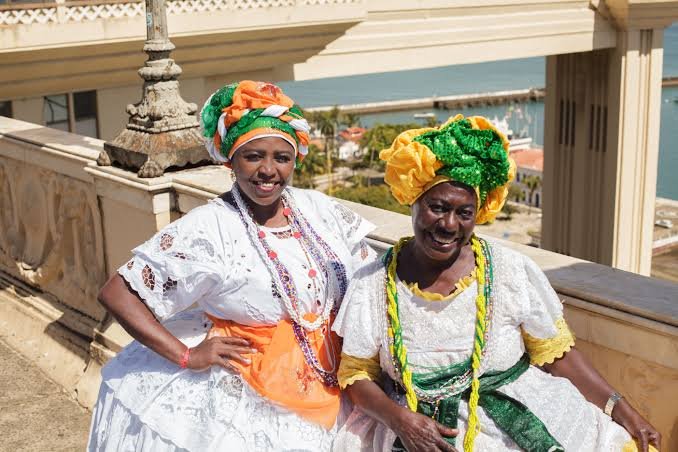
Bahia: The Iconic Baiana Dress
Perhaps the most recognizable traditional outfit in Brazil is worn by the Baianas of Bahia.
Typical features include:
- Flowing white dresses
- Lace embroidery
- Layered skirts
- Colorful bead necklaces
- Head wraps
- Decorative bracelets
These garments are closely connected with Afro-Brazilian culture and the Candomblé religion. White clothing often symbolizes peace, purity, and spirituality.
Today, Baiana dresses are commonly seen during cultural celebrations and in Salvador’s historic districts.
Southern Brazil: Gaucho Clothing
In southern Brazil, especially Rio Grande do Sul, traditional clothing reflects the lifestyle of cattle ranchers known as gauchos.
Men typically wear:
- Loose bombacha trousers
- Boots
- Wide belts
- Ponchos
- Neck scarves
- Hats
Women often wear:
- Long colorful dresses
- Aprons
- Shawls
- Hair accessories
These outfits are commonly worn during rodeos, folk festivals, and traditional dances.
Northeastern Festa Junina Clothing
One of Brazil’s biggest annual celebrations is Festa Junina, held during June.
Traditional clothing includes:
For women:
- Patchwork dresses
- Braided hair
- Ribbon decorations
- Straw hats
For men:
- Plaid shirts
- Jeans
- Straw hats
- Painted mustaches
Although inspired by rural farming life, these costumes have become festive symbols enjoyed throughout Brazil.
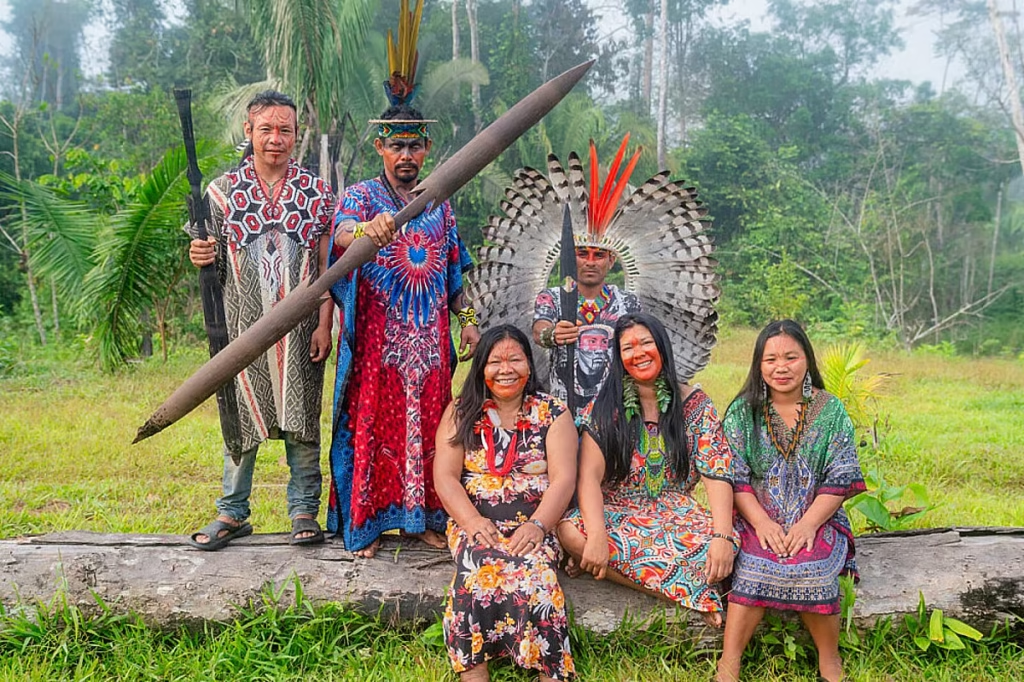
Amazon Indigenous Clothing
Indigenous communities in the Amazon continue to preserve clothing traditions that differ greatly from urban fashion.
Depending on the community, ceremonial clothing may include:
- Feather headdresses
- Handmade necklaces
- Seed jewelry
- Woven belts
- Natural fiber garments
- Body paint
Many designs represent family identity, spiritual beliefs, or connections with nature.
Carnival Costumes
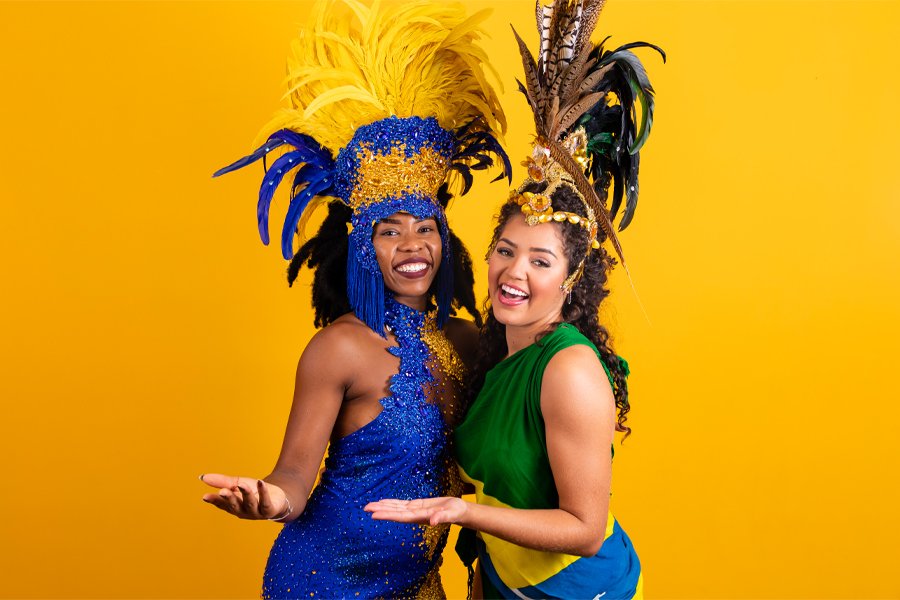
Although Carnival costumes are not everyday traditional clothing, they have become one of Brazil’s most recognizable cultural symbols.
These elaborate outfits often feature:
- Sequins
- Feathers
- Rhinestones
- Bright colors
- Handmade embroidery
Carnival costumes are designed for samba performances rather than daily wear, making them a unique blend of tradition, art, and entertainment.
Traditional Clothing for Men
Traditional men’s clothing varies considerably across Brazil.
Common garments include:
- Cotton shirts
- Wide trousers
- Leather boots
- Ponchos
- Straw hats
- Belts
- Handcrafted scarves
Working clothing in rural regions was designed for comfort in Brazil’s warm climate while remaining durable for outdoor labor.
Traditional Clothing for Women
Women’s traditional clothing tends to be more decorative and region-specific.
Popular elements include:
- Full skirts
- Lace blouses
- Embroidered dresses
- Shawls
- Turbans
- Colorful jewelry
- Floral accessories
Many outfits are handmade using techniques passed down through generations.
Colors and Their Meaning
Color plays an important role in Brazilian traditional clothing.
Some common associations include:
| Color | Traditional Meaning |
|---|---|
| White | Peace, spirituality, purity |
| Blue | Protection and devotion |
| Green | Nature and fertility |
| Yellow | Joy and celebration |
| Red | Strength and energy |
Meanings can vary depending on the region or religious tradition.
When Is Traditional Clothing Worn?
Most Brazilians wear modern clothing in daily life. Traditional attire is usually reserved for special occasions, including:
- Folk festivals
- Carnival
- Festa Junina
- Cultural exhibitions
- Religious ceremonies
- Dance performances
- Heritage celebrations
- Tourism events
These occasions help preserve local customs and pass traditions to younger generations.
Why Brazil Traditional Clothing Matters
Traditional clothing is more than fashion. It preserves stories, values, and identities that connect communities to their history.
These garments help:
- Celebrate cultural diversity
- Preserve regional traditions
- Support local artisans
- Strengthen community identity
- Teach younger generations about heritage
- Promote cultural tourism
Because Brazil has many cultural influences, its traditional clothing represents one of the country’s greatest strengths—its diversity.
How to Experience Traditional Brazilian Clothing Respectfully
If you visit Brazil or attend a Brazilian cultural event, you can appreciate traditional clothing by following a few simple practices:
- Learn the history behind each style before wearing it.
- Purchase handmade pieces from local artisans whenever possible.
- Avoid treating ceremonial or religious clothing as costumes.
- Ask permission before photographing people in traditional attire.
- Support museums, cultural centers, and community festivals that preserve these traditions.
Respect for the cultural meaning behind each garment helps keep these traditions alive.
Common Misconceptions
Brazil has one national costume.
False. Brazil’s traditional clothing differs by region, culture, and occasion.
Carnival costumes represent all traditional clothing.
Not entirely. Carnival attire is only one expression of Brazilian culture and differs from many regional and ceremonial garments.
Traditional clothing is worn every day.
Most Brazilians wear contemporary fashion in daily life. Traditional garments are generally reserved for festivals, performances, and cultural celebrations.
Expert Tips
- Explore regional traditions rather than looking for one “official” Brazilian costume.
- Visit local festivals to see authentic clothing in context.
- Learn the cultural background of garments before purchasing replicas.
- Choose handmade textiles and accessories to support traditional craftsmanship.
- Remember that Brazil’s diversity is reflected in its clothing, so regional differences are part of its cultural richness.
Final Thoughts on Brazil Traditional Clothing
Brazil traditional clothing reflects the country’s remarkable blend of Indigenous, African, European, and immigrant cultures. Rather than a single national outfit, Brazil offers a rich collection of regional styles, each shaped by local history, climate, and traditions.
From the elegant white dresses of Bahia to the rugged attire of southern gauchos and the colorful costumes of Festa Junina, these garments continue to celebrate Brazil’s heritage. Understanding the stories behind them offers a deeper appreciation of the country’s cultural diversity and the communities that keep these traditions alive.
3. FAQ Section
1. What is the most famous Brazil traditional clothing?
The Baiana dress from Bahia is one of the most iconic examples of Brazil traditional clothing, recognized for its flowing white fabric, lace details, and colorful bead accessories.
2. Does Brazil have a national costume?
No. Brazil does not have a single official national costume. Traditional clothing varies by region, culture, and celebration.
3. What do people wear during Festa Junina?
Women often wear patchwork dresses with ribbons and braided hair, while men wear plaid shirts, jeans, straw hats, and sometimes painted mustaches to reflect rural traditions.
4. Are Carnival costumes considered traditional clothing?
Carnival costumes are part of Brazil’s cultural heritage but differ from regional folk and ceremonial clothing. They are designed specifically for Carnival celebrations and samba performances.
5. Why do Baianas wear white?
White is traditionally associated with peace, purity, and spirituality in Afro-Brazilian traditions, particularly those connected to Candomblé.
6. Is traditional Brazilian clothing still worn today?
Yes. Traditional clothing is commonly worn during festivals, religious ceremonies, folk dances, historical reenactments, and cultural events, while everyday attire is generally modern.
7. Can visitors wear traditional Brazilian clothing?
Yes, provided it is done respectfully and with an understanding of the garment’s cultural significance, especially if it has religious or ceremonial importance.














No Comments