


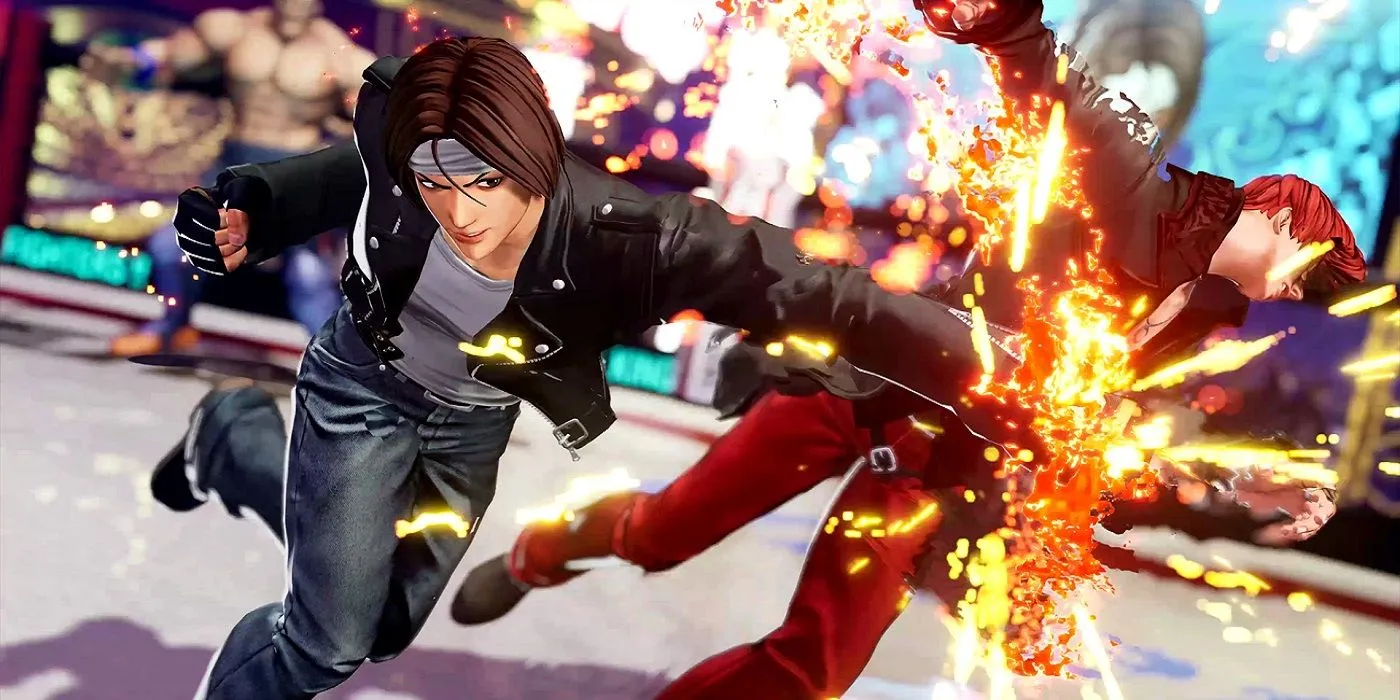
Whether you’re playing Street Fighter, Tekken, Mortal Kombat, Guilty Gear, or another competitive title, learning the fighting game glossary is one of the fastest ways to improve. You’ll hear experienced players use terms like frame trap, whiff punish, and okizeme without explanation. Understanding these concepts helps you follow guides, watch tournaments, communicate with other players, and make smarter decisions during matches.
This guide explains the most important fighting game terms in simple language with practical examples, making it useful for both beginners and experienced players.
Why Learn a Fighting Game Glossary?
Knowing the terminology helps you:
- Understand tutorials and coaching videos
- Read patch notes with confidence
- Communicate with the Fighting Game Community (FGC)
- Improve decision-making during matches
- Learn advanced mechanics faster
Instead of memorizing random phrases, think of this glossary as learning the language of competitive fighting games.
Fighting Game Glossary: Core Terms Every Player Should Know
| Term | Simple Definition | Why It Matters |
|---|---|---|
| Neutral | The phase where neither player has an advantage | Controls the pace of the match |
| Combo | Multiple attacks that connect without interruption | Maximizes damage |
| Punish | Attacking after your opponent makes an unsafe move | Rewards good defense |
| Frame Data | Numbers showing how fast moves start and recover | Essential for competitive play |
| Mix-Up | Multiple attack options that force a guess | Opens defensive opponents |
| Cross-Up | Jump attack that lands behind the opponent | Makes blocking difficult |
| Zoning | Controlling space with long-range attacks | Keeps opponents away |
| Footsies | Strategic movement to bait mistakes | Core high-level skill |
| Anti-Air | Move designed to stop jumping opponents | Prevents easy approaches |
| Wake-Up | Actions taken after standing from a knockdown | Important defensive moment |
Understanding Frame Data
Frame data is one of the most important concepts in any fighting game.
Every move has three parts:
Startup
The time before the attack becomes active.
Example:
A punch with 5-frame startup hits faster than one with 10-frame startup.
Active Frames
The period when the attack can actually hit.
Recovery
The time after the attack finishes before your character can move again.
Long recovery often means the move can be punished if it misses.
Plus Frames
A move is plus when you recover before your opponent after they block.
Example:
- You are +3.
- Your opponent cannot interrupt your next fast attack.
Minus Frames
A move is minus when your opponent recovers first.
Example:
- You are -10.
- Many characters can punish your attack.
Offensive Fighting Game Terms
Combo
A sequence of attacks that cannot be escaped once the first hit connects.
Example:
Jump Kick → Punch → Special Move → Super
Blockstring
A series of attacks that keeps your opponent blocking.
Good blockstrings create pressure without leaving yourself open.
Frame Trap
A small gap in pressure that encourages the opponent to attack, only to be hit by your next move.
Frame traps punish impatient players.
Mix-Up
A situation where the defender must guess correctly.
Common mix-ups include:
- High vs. low attack
- Left vs. right
- Throw vs. strike
Command Grab
A special throw that usually cannot be blocked.
Many grappler characters rely on command grabs for big damage.
Meaty Attack
An attack timed to hit an opponent as they stand up.
Proper meaties can beat many wake-up options.
Defensive Fighting Game Terms
Punish
A guaranteed attack after the opponent performs an unsafe move.
Example:
An opponent misses an uppercut.
You immediately land your strongest combo.
Whiff Punish
Punishing an attack that completely misses.
This is a major part of high-level footsies.
Tech
Escaping or breaking a throw before it connects.
Different games have different throw-tech windows.
Reversal
An attack performed at the first possible frame after recovering.
Many invincible attacks are used as reversals.
Wake-Up
Your options after standing from a knockdown include:
- Block
- Attack
- Throw
- Roll (game dependent)
- Invincible reversal
Choosing the right option depends on the matchup.
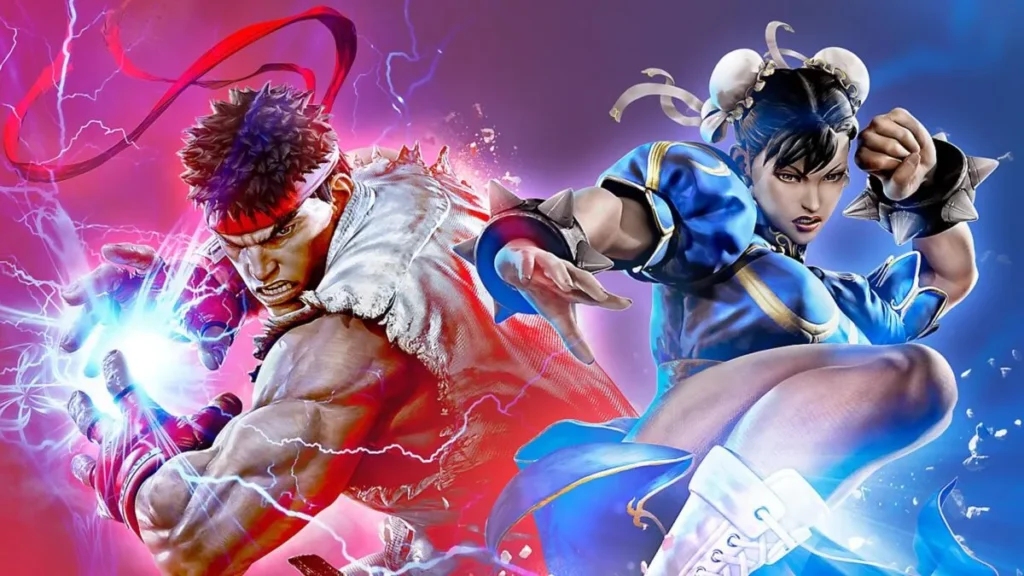
Movement and Spacing Terms
Neutral
Neutral is when neither player has a clear advantage.
Players fight for:
- Position
- Space
- Better attacks
- Momentum
Many competitive matches are decided during neutral.
Footsies
Footsies is the strategic movement game where players bait attacks and control spacing.
Good footsies involve:
- Walking
- Backdashing
- Whiff punishing
- Controlling attack range
Zoning
Zoning means controlling space with projectiles or long-range attacks.
The goal is to prevent your opponent from approaching safely.
Rushdown
Rushdown characters stay close and apply constant offensive pressure.
Examples include many fast, aggressive fighters.
Keep-Out
Similar to zoning but focuses more on using normals and spacing than projectiles.
Hitbox and Hurtbox Explained
Many beginners confuse these two terms.
| Term | Meaning |
|---|---|
| Hitbox | Area that deals damage |
| Hurtbox | Area where your character can be hit |
Understanding these invisible boxes explains why certain attacks beat others.
Air Combat Terms
Anti-Air
A move specifically designed to stop jumping opponents.
Consistently anti-airing forces opponents to play more honestly.
Cross-Up
A jumping attack that lands behind the defender.
Cross-ups make blocking much harder.
Air-to-Air
Attacking an opponent while both characters are airborne.
Sometimes this is safer than using a grounded anti-air.
Advanced Fighting Game Vocabulary
Okizeme (Oki)
Pressure applied after knocking the opponent down.
Good okizeme forces difficult defensive decisions.
Reset
Ending a combo early to surprise the opponent with another attack.
Although damage is lower immediately, successful resets often lead to another combo.
Option Select
An input designed to cover multiple possible opponent actions.
Modern games have fewer option selects than older titles, but the concept still appears.
Buffering
Inputting part of a move in advance so it comes out instantly when conditions are met.
Buffering improves reaction speed and consistency.
Execution
A player’s ability to perform difficult inputs consistently.
Strong execution allows players to maximize every opportunity.
Common Beginner Mistakes
Avoid these habits:
- Jumping too often
- Ignoring frame advantage
- Using unsafe attacks repeatedly
- Forgetting to block low
- Never practicing movement
- Learning long combos before mastering neutral
Improvement comes from mastering fundamentals first.
Pro Tips for Learning Fighting Game Terms
- Learn a few new terms each week.
- Watch tournament matches and identify concepts in real time.
- Read character guides using the glossary.
- Practice one mechanic before learning another.
- Review your own match replays.
Consistent practice matters more than memorizing every definition.
Quick Reference Cheat Sheet
| Situation | Useful Term |
|---|---|
| Opponent missed an attack | Whiff Punish |
| Safe offensive pressure | Plus Frames |
| Attack after knockdown | Meaty |
| Pressure after knockdown | Okizeme |
| Long-range control | Zoning |
| Spacing battle | Footsies |
| Guaranteed combo starter | Punish |
| Stopping jumps | Anti-Air |
Internal Linking Opportunities
Consider linking this guide to:
- How frame data works in fighting games
- Best fighting games for beginners
- How to improve reaction time in competitive gaming
- Complete beginner’s guide to combo practice
- Top gaming accessories for fighting game players
Suggested External Sources
These authoritative resources can strengthen the article:
- Official Capcom Street Fighter Guides
- Bandai Namco Tekken official tutorials
- Dustloop Wiki (community-maintained resource for anime fighting games)
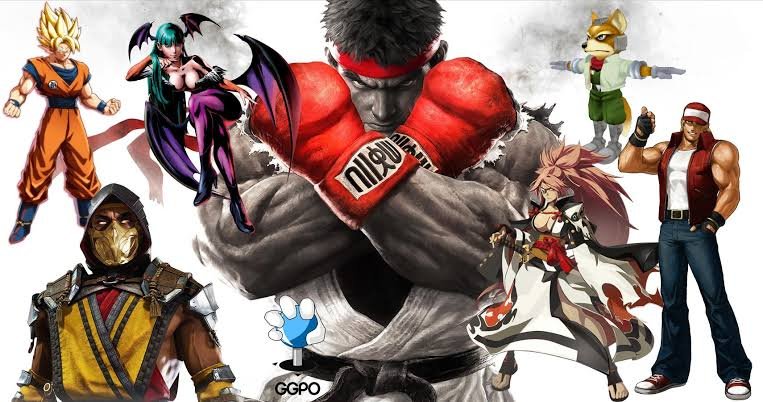
Frequently Asked Questions
What is a fighting game glossary?
A fighting game glossary is a collection of common terms, mechanics, and competitive vocabulary used by players to explain gameplay strategies and techniques.
What does neutral mean in fighting games?
Neutral is the stage where neither player has an advantage and both compete for better positioning and opportunities to attack.
What is a whiff punish?
A whiff punish is attacking an opponent after their move completely misses.
Why is frame data important?
Frame data helps players determine whether attacks are safe, punishable, or advantageous after blocking or hitting.
What are plus frames?
Plus frames mean your character recovers before the opponent, allowing you to continue applying pressure.
What is footsies?
Footsies refers to strategic movement and spacing used to bait attacks and control the pace of a match.
What is okizeme?
Okizeme, often shortened to “oki,” is offensive pressure applied after knocking an opponent down.
What does FGC stand for?
FGC stands for Fighting Game Community, the worldwide community of players, tournament organizers, and fans of competitive fighting games.
Which fighting game terms should beginners learn first?
Start with neutral, combo, punish, frame data, anti-air, footsies, zoning, mix-up, and whiff punish.
How can I remember fighting game terminology?
Practice one concept at a time, watch tournament matches, read guides, and apply each term during gameplay until it becomes second nature.
Conclusion
Learning a fighting game glossary is one of the best investments you can make as a player. Once you understand terms like neutral, frame data, footssies, whiff punish, and okizeme, you’ll find it much easier to improve your skills, understand coaching content, and compete with confidence. Focus on mastering the fundamentals first, then build your knowledge as you gain experience.
Call to Action
Want more practical gaming guides, tutorials, and expert resources? Visit Retool Master for beginner-friendly walkthroughs, in-depth gaming strategies, and up-to-date content designed to help you level up faster.













No Comments