


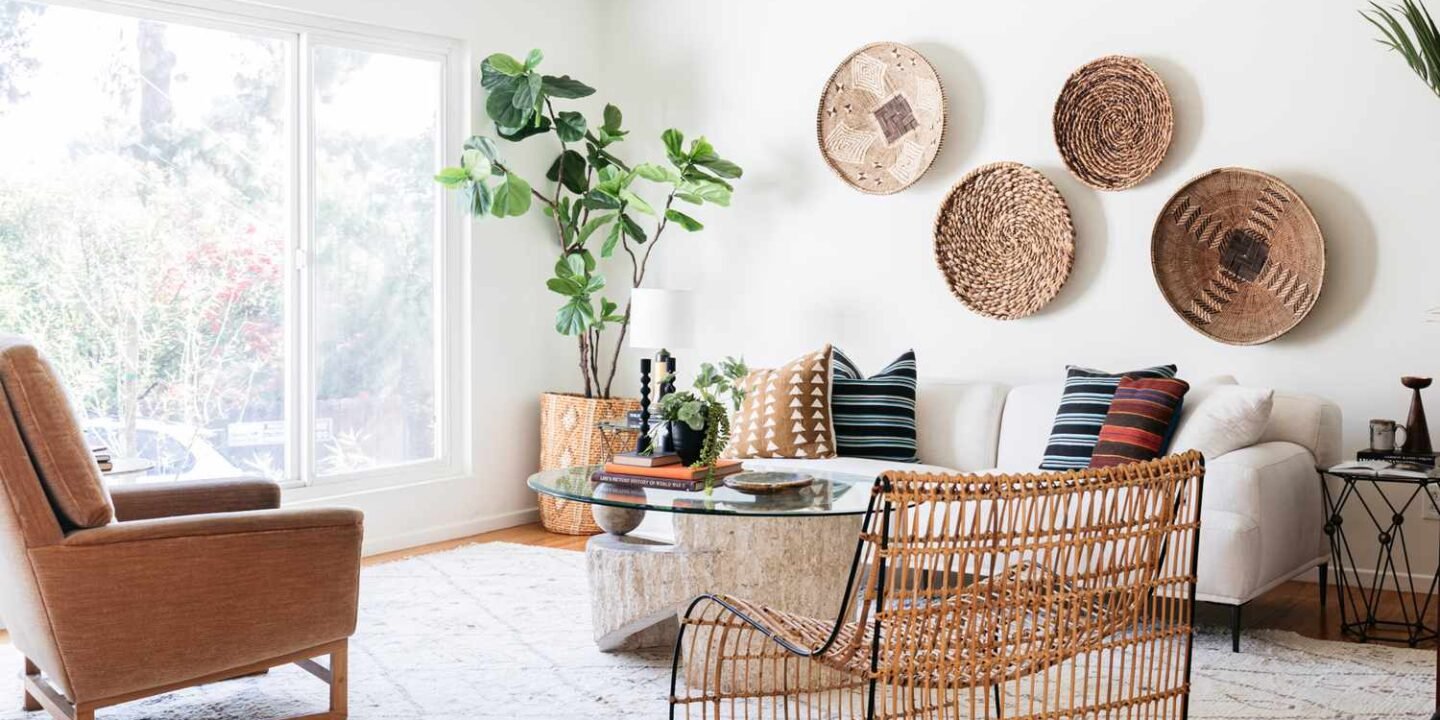
Small living rooms can feel cozy and inviting when they’re designed with intention. If you’re wondering how to decorate a small living room, the good news is that you don’t need more square footage to create a beautiful space. With the right layout, furniture, colors, and storage solutions, you can make even the smallest living room look larger, brighter, and more functional.
In this guide, you’ll learn practical decorating ideas, common mistakes to avoid, and professional design tips that help maximize every inch of your living space.
Why Decorating a Small Living Room Requires a Different Approach
Limited space means every piece of furniture and decor should serve a purpose. Instead of filling the room with unnecessary items, focus on creating balance, improving flow, and making the room feel open.
A well-designed small living room should be:
- Comfortable
- Functional
- Organized
- Bright
- Visually spacious
How to Decorate a Small Living Room Without Making It Feel Crowded
1. Choose Furniture That Fits the Room
Oversized furniture quickly overwhelms a small space.
Instead, look for:
- Apartment-sized sofas
- Slim armchairs
- Nesting tables
- Round coffee tables
- Storage ottomans
Furniture with exposed legs creates visual space underneath, making the room appear larger.
Pro Tip: Measure your room before purchasing furniture.
2. Use a Light Color Palette
Light colors reflect more natural light and help a room feel bigger.
Great color choices include:
- White
- Soft beige
- Light gray
- Warm cream
- Pale sage
- Dusty blue
You can still introduce darker colors through pillows, artwork, or rugs without overwhelming the room.
3. Add Mirrors to Reflect Light
One of the oldest interior design tricks still works.
Place a large mirror:
- Across from a window
- Behind the sofa
- Above a fireplace
- Near natural light
Mirrors create the illusion of additional space and brighten darker corners.
4. Maximize Vertical Space
When floor space is limited, use your walls.
Ideas include:
- Floating shelves
- Wall-mounted cabinets
- Tall bookcases
- Hanging plants
- Vertical artwork
Drawing the eye upward makes ceilings appear higher.
5. Keep the Layout Open
Leave clear walking paths throughout the room.
Avoid placing furniture directly against every wall if doing so creates awkward empty space in the center. Sometimes floating a sofa slightly forward creates a more balanced layout.
Best Furniture for Small Living Rooms
| Furniture | Why It Works |
|---|---|
| Storage Ottoman | Seating and hidden storage |
| Nesting Tables | Save floor space |
| Loveseat | Fits compact layouts |
| Floating TV Stand | Frees floor space |
| Wall Shelves | Adds storage without bulk |
| Foldable Side Table | Easy to move when needed |
Smart Storage Ideas
Clutter makes small rooms feel even smaller.
Try these storage solutions:
- Decorative baskets
- Hidden storage benches
- Under-sofa storage boxes
- Floating shelves
- Storage coffee tables
- Built-in cabinets
- Corner shelving units
Keeping surfaces clean instantly improves the room’s appearance.
Lighting Tips That Make Small Rooms Feel Bigger
Lighting has a huge impact on how spacious a room feels.
Layer your lighting with:
- Ceiling fixtures
- Floor lamps
- Table lamps
- Wall sconces
- LED accent lighting
Whenever possible, maximize natural light by avoiding heavy curtains.
Choose sheer curtains or light-colored window treatments instead.
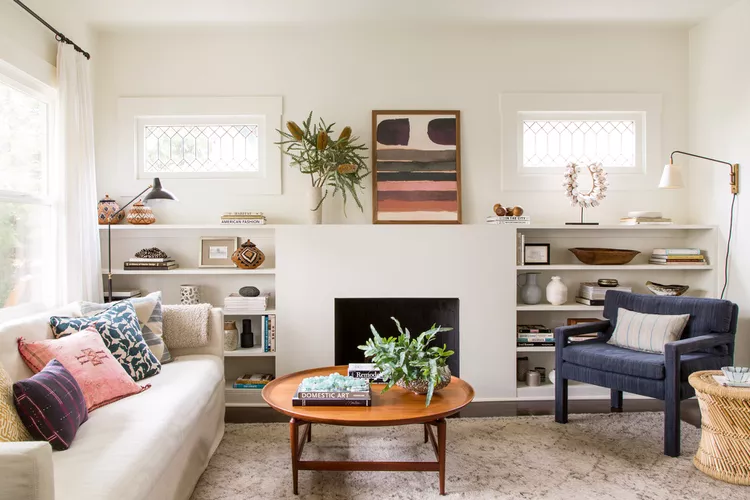
Decorating Accessories That Add Style Without Clutter
Accessories should complement the room instead of overwhelming it.
Consider:
- One large artwork instead of many small frames
- Decorative throw pillows
- Cozy blankets
- Small indoor plants
- Ceramic vases
- Textured rugs
- Minimal decorative objects
Less is often more in compact spaces.
Small Living Room Layout Ideas
Layout 1: Apartment Style
- Loveseat
- Round coffee table
- Floating TV console
- One accent chair
- Floor lamp
Perfect for studio apartments.
Layout 2: Family-Friendly
- Three-seat compact sofa
- Storage ottoman
- Built-in shelves
- Area rug
- Media cabinet
Provides comfortable seating while maintaining storage.
Layout 3: Minimalist Design
- Neutral sofa
- Floating shelves
- One statement artwork
- Small side table
- Indoor plant
Creates a clean and calming atmosphere.
Common Decorating Mistakes to Avoid
Avoid these common errors:
- Buying oversized furniture
- Using too many dark colors
- Blocking natural light
- Overdecorating shelves
- Choosing tiny rugs
- Ignoring storage
- Hanging artwork too high
- Leaving cords exposed
Correcting just one or two of these mistakes can dramatically improve your living room.
Budget-Friendly Small Living Room Decorating Ideas
You don’t need a large budget to refresh your space.
Affordable upgrades include:
- Rearranging furniture
- Painting walls
- Adding peel-and-stick wallpaper
- Updating throw pillows
- Buying secondhand furniture
- DIY floating shelves
- Replacing old lighting
- Adding plants
Many of these improvements cost little but make a noticeable difference.
Expert Tips for Making a Small Living Room Look Larger
Interior designers often recommend:
- Use furniture with visible legs.
- Stick to a consistent color palette.
- Choose multifunctional furniture.
- Limit decorative accessories.
- Use vertical storage.
- Hang curtains higher than the window frame.
- Select one statement piece instead of many small decorations.
- Keep floors as visible as possible.
These simple changes create a more open and polished look.
Best Practices for Long-Term Success
- Declutter regularly.
- Rotate seasonal decor instead of displaying everything.
- Invest in quality furniture that serves multiple purposes.
- Keep pathways open.
- Refresh accessories instead of replacing furniture.
Small updates over time keep your living room looking modern without major renovations.
Image ALT Text Suggestion
Modern small living room decorated with multifunctional furniture, floating shelves, neutral colors, and natural lighting
Internal Linking Opportunities
- Best space-saving furniture for small homes
- How to organize a clutter-free living room
- Modern home decor trends for this year
- DIY wall shelving ideas for beginners
- Choosing the perfect area rug for your living room
External Linking Opportunities
- National Association of Home Builders (NAHB)
- American Society of Interior Designers (ASID)
- U.S. Environmental Protection Agency (EPA) – Indoor Air Quality and Home Ventilation
Frequently Asked Questions
1. What colors make a small living room look bigger?
Light shades such as white, cream, light gray, and soft beige reflect light and create the illusion of more space.
2. How can I decorate a small living room on a budget?
Rearrange furniture, paint the walls, add affordable decor, install floating shelves, and shop for secondhand furniture.
3. Should furniture touch the walls in a small living room?
Not always. Pulling furniture slightly away from the walls can create a more balanced and spacious layout.
4. What type of sofa works best in a small living room?
A loveseat or compact sofa with slim arms and raised legs usually works best.
5. How do mirrors make a room look bigger?
Mirrors reflect both natural and artificial light, creating depth and making the room appear larger.
6. Is a sectional sofa suitable for a small living room?
A compact sectional can work if it’s properly sized and doesn’t block walkways.
7. How many decorations should I use?
Choose a few meaningful decorative pieces rather than filling every surface.
8. What lighting is best for a small living room?
Layered lighting that combines ceiling lights, floor lamps, and table lamps provides depth and warmth.
9. Can dark colors work in a small living room?
Yes. Use dark colors as accents while keeping the walls and larger furniture in lighter shades.
10. What’s the biggest mistake when decorating a small living room?
Overcrowding the room with oversized furniture and unnecessary decorations is the most common mistake.
Conclusion
Learning how to decorate a small living room is all about making thoughtful design choices rather than filling every available inch. By selecting appropriately sized furniture, maximizing storage, embracing natural light, and using a cohesive color palette, you can create a living room that feels larger, more organized, and welcoming. Focus on functionality first, then add personality with carefully chosen decor to achieve a stylish space you’ll enjoy every day.
Call to Action
Looking for more practical home improvement and decorating guides? Retool Master provides expert tips, DIY inspiration, and smart design ideas to help you create a beautiful, functional home—no matter the size.














No Comments