


Buying shoes online can save time, but sizing differences between countries often create confusion. One of the most common questions shoppers ask is, “What is size 42 in US men’s shoes?” The answer isn’t always as simple as looking at a single conversion chart because sizing can vary slightly between brands and shoe styles.
In general, EU size 42 is approximately a US men’s size 8.5 to 9, with US men’s 9 being the most common equivalent. However, manufacturers may adjust their sizing slightly depending on the design, intended fit, and country of origin.
This guide explains how shoe sizing works, why conversions differ, and how to choose the right fit with confidence.
What Does Size 42 in US Men’s Shoes Mean?
European (EU) shoe sizes use a different measurement system than US shoe sizes. Rather than matching directly, they require conversion.
For most men’s footwear:
| EU Size | US Men’s Size | UK Size |
|---|---|---|
| 40 | 7 | 6 |
| 41 | 8 | 7 |
| 42 | 8.5–9 | 8 |
| 43 | 9.5–10 | 9 |
| 44 | 10.5 | 10 |
| 45 | 11–11.5 | 10.5–11 |
Although many brands list EU 42 as US men’s 9, others may label it as 8.5. That’s why it’s always wise to check the brand’s official size chart before placing an order.
Why Shoe Size Conversions Matter
A half-size difference may not seem significant, but it can affect comfort throughout the day.
Shoes that are too small may cause:
- Blisters
- Toe pressure
- Foot fatigue
- Reduced circulation
Shoes that are too large can lead to:
- Heel slipping
- Poor stability
- Faster wear
- Increased risk of discomfort while walking
Understanding size conversions helps reduce returns and improves your chances of finding the right fit on the first try.
How European and US Shoe Sizes Differ
European sizing is based on the Paris Point measurement system, while US sizing follows a different scale derived from foot length.
Because the systems are calculated differently, conversions are estimates rather than exact matches.
Other factors also influence sizing, including:
- Brand-specific sizing
- Shoe width
- Material flexibility
- Athletic versus casual design
- Country where the shoe was manufactured
How to Measure Your Feet Correctly
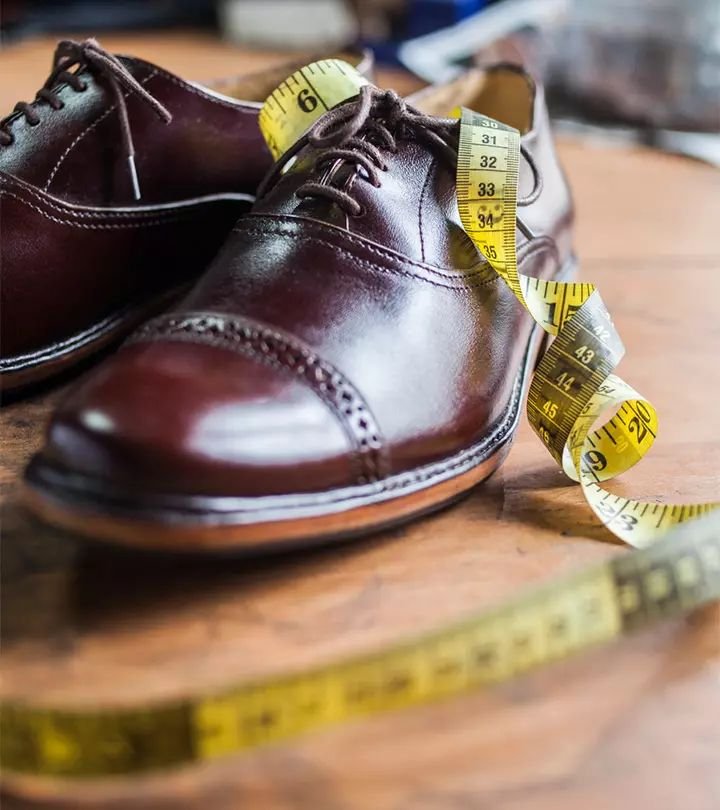
The best way to confirm your size is by measuring your feet before buying shoes.
Step 1: Gather Supplies
You’ll need:
- A sheet of paper
- A pencil
- A ruler or measuring tape
- Socks you normally wear with shoes
Step 2: Trace Your Foot
Stand naturally on the paper and trace around your foot.
Avoid sitting, as body weight slightly changes foot dimensions.
Step 3: Measure Length
Measure from the heel to the tip of your longest toe.
Most people have one foot slightly larger than the other, so measure both.
Step 4: Compare with Brand Charts
Once you know your foot length, compare it with the manufacturer’s size guide instead of relying only on general conversion charts.
Does Every Brand Fit the Same?
No.
Even when two companies label a shoe as EU 42, the actual fit may differ.
Some brands are known for:
Running Small
These shoes often feel tighter around the toe box or width.
Running Large
Some casual sneakers and boots provide extra room and may require sizing down.
True to Size
Many manufacturers design shoes that closely match standard measurements.
Reading customer reviews often provides useful insight into whether a particular model runs large, small, or true to size.
Width Is Just as Important
Length isn’t the only factor in finding comfortable shoes.
Foot width varies from person to person.
Common width options include:
- Narrow
- Standard (Medium)
- Wide
- Extra Wide
Someone with wide feet may find that the correct length still feels tight if the shoe isn’t available in a wider fit.
Common Mistakes When Converting Shoe Sizes
Assuming Every Conversion Is Exact
A conversion chart is a helpful starting point, but it shouldn’t replace a brand’s own sizing recommendations.
Ignoring Width
Many shoppers focus only on length, overlooking width altogether.
Buying Without Measuring
Feet can change over time due to age, weight changes, or activity levels. Measuring before buying helps avoid unnecessary returns.
Wearing the Wrong Socks
Thick athletic socks can noticeably change how shoes fit.
Try on shoes with the type of socks you’ll wear most often.
Expert Tips for Finding the Best Fit
- Measure your feet in the evening, when they’re naturally slightly larger.
- Leave about a thumb’s width of space in front of your longest toe.
- Compare both foot length and width before ordering.
- Read customer reviews for sizing feedback.
- Check return policies before buying shoes online.
- Replace worn-out shoes regularly if they no longer provide proper support.
Frequently Asked Questions
Is size 42 in US men’s shoes the same as size 9?
Usually, yes. Most brands convert EU size 42 to US men’s size 9, although some list it as 8.5.
Can size 42 fit someone who usually wears US 8.5?
Yes. Depending on the brand and shoe style, EU 42 often corresponds to either US 8.5 or US 9.
Why do different brands use different conversions?
Manufacturers use different shoe lasts, materials, and design standards, which can slightly change how a shoe fits.
Should I size up or down when buying online?
If you’re between sizes, the decision depends on the shoe type. Running shoes often benefit from a little extra room, while dress shoes usually fit best when they’re snug without being tight.
Does foot width affect size selection?
Absolutely. A wide foot may require a wider version of the same size or, in some cases, going up half a size for added comfort.
Are EU shoe sizes more consistent than US sizes?
European sizing tends to be more standardized, but differences between brands still exist. Always check the manufacturer’s sizing guide.
EU size 42 to US men’s shoe size conversion chart showing common international shoe size equivalents.
Final Thoughts
If you’re wondering about size 42 in US men’s shoes, the simplest answer is that it generally equals US men’s size 9, with some brands listing it as 8.5. While conversion charts provide a helpful reference, they aren’t universal.
For the best fit, measure your feet, compare your measurements with the brand’s official size chart, and consider factors like shoe width, material, and intended use. Spending a few extra minutes checking these details can make the difference between a comfortable pair of shoes and one that spends its life in the return box.














No Comments