


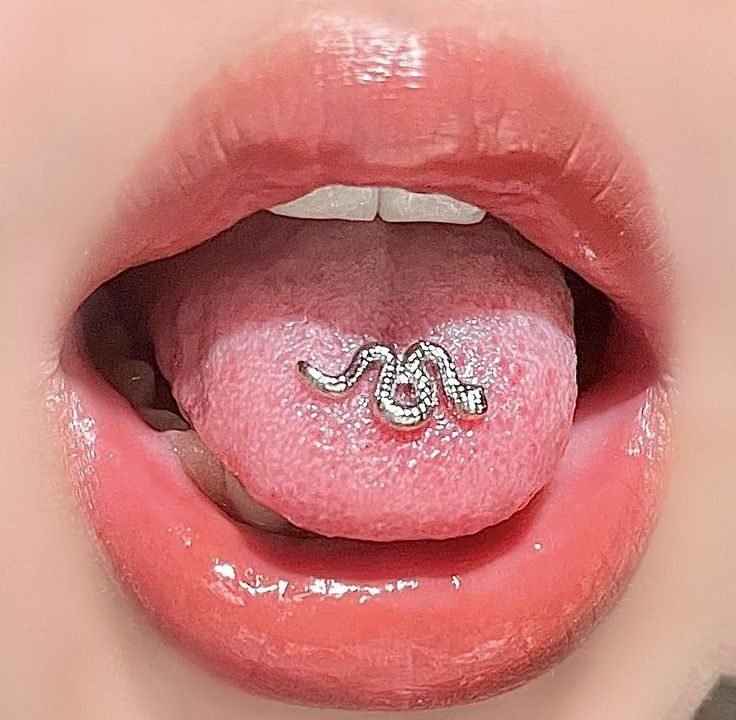
Body piercings are a popular way to express personal style, and oral piercings are no exception. If you’ve come across the term snake bite on tongue piercing, you may be wondering what it actually means. While the phrase is sometimes used interchangeably with other oral piercings, it generally refers to a paired piercing that creates a look similar to snake fangs or complements the popular snake bites lip piercing aesthetic.
Because the tongue is constantly moving and exposed to food, bacteria, and friction, proper care is essential. Whether you’re thinking about getting this piercing or you’re already in the healing stage, understanding the procedure, healing process, and possible risks can help you make informed decisions.
This guide explains everything you need to know—from what to expect during healing to recognizing signs that something may not be healing as it should.
What Is a Snake Bite on Tongue Piercing?
A snake bite on tongue piercing usually refers to two tongue piercings placed symmetrically to create a balanced appearance. Depending on the style, the jewelry may sit toward the front or along the surface of the tongue, giving a distinctive look inspired by snake fangs.
It’s important not to confuse this with snake bites lip piercings, which consist of two piercings placed on either side of the lower lip. Although the names are similar, they involve different locations and healing considerations.
A professional piercer will assess your tongue’s anatomy before recommending placement, as not everyone’s tongue is suitable for every type of piercing.
Why People Choose This Piercing
Many people choose this style because it offers a bold yet customizable appearance.
Common reasons include:
- Unique personal expression
- Symmetrical design
- Compatibility with different jewelry styles
- Ability to customize with various bead colors and finishes
- Interest in alternative fashion or body modification
For many wearers, the piercing is both a fashion statement and a reflection of their personality.
What to Expect During the Procedure
The piercing itself is usually completed within a few minutes.
A professional piercer will typically:
- Examine your tongue to determine safe placement.
- Clean and disinfect the area.
- Mark the piercing points.
- Use a sterile needle to create the piercings.
- Insert appropriate jewelry designed to allow for initial swelling.
Longer barbells are commonly used at first because the tongue often swells during the first several days.
Pain Level and Healing Time
Pain varies from person to person, but most describe tongue piercings as quick with brief discomfort during the procedure.
The first week is often more uncomfortable because of:
- Swelling
- Mild soreness
- Difficulty eating
- Increased saliva production
Initial healing usually occurs within 4 to 8 weeks, although complete healing may take longer depending on the individual and how well aftercare instructions are followed.
Proper Aftercare for a Healthy Healing Process
Good aftercare plays the biggest role in preventing complications.
Rinse Your Mouth Regularly
Use an alcohol-free saline rinse or a sterile saline solution after meals and before bed, following your piercer’s recommendations.
Choose Soft Foods
During the first few days, softer foods are generally easier to eat.
Examples include:
- Yogurt
- Mashed potatoes
- Smoothies
- Soup (cooled to a comfortable temperature)
- Applesauce
Avoid very hot, spicy, or crunchy foods until the piercing feels more comfortable.
Practice Good Oral Hygiene
Brush your teeth gently twice a day and keep your mouth clean without disturbing the jewelry.
Replacing your toothbrush after getting the piercing is often recommended to reduce exposure to bacteria.
Avoid Unnecessary Contact
Don’t play with the jewelry using your teeth or tongue.
Repeated movement can delay healing and increase irritation.
Possible Risks and Complications
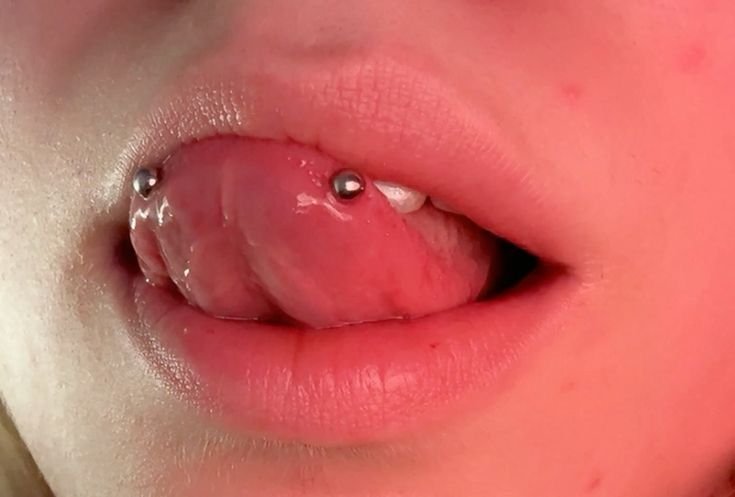
Like any body piercing, tongue piercings carry certain risks.
Potential complications include:
- Excessive swelling
- Infection
- Bleeding
- Jewelry irritation
- Gum recession
- Tooth damage from repeated contact with jewelry
Choosing an experienced piercer and following proper aftercare greatly reduces these risks.
Signs Your Piercing Is Healing Normally
During the first several days, it’s common to experience:
- Mild swelling
- Tenderness
- Clear or whitish fluid that dries into a light crust
- Slight discomfort while speaking or eating
These symptoms usually improve gradually as healing progresses.
When to Seek Professional Advice
Some symptoms deserve prompt evaluation by your piercer or a healthcare professional.
These include:
- Severe or worsening swelling
- Increasing pain after the first few days
- Thick yellow or green discharge
- Fever
- Difficulty breathing or swallowing
- Continuous heavy bleeding
Don’t remove the jewelry on your own if you suspect an infection unless a healthcare professional advises you to do so, as this can sometimes trap the infection.
Common Mistakes to Avoid
Touching the Piercing Frequently
Hands carry bacteria that can increase the risk of infection.
Eating Irritating Foods Too Soon
Spicy, acidic, or extremely hot foods may increase discomfort during the early healing stage.
Changing Jewelry Too Early
Wait until the piercing has healed sufficiently before replacing the initial jewelry. Your piercer can advise when it’s appropriate.
Ignoring Persistent Problems
If swelling or pain continues to worsen rather than improve, seek professional guidance instead of assuming it will resolve on its own.
Expert Tips for Long-Term Care
- Visit a reputable, licensed piercing studio.
- Choose high-quality jewelry made from implant-grade materials.
- Stay hydrated throughout the healing period.
- Attend any recommended follow-up appointments.
- Downsize the jewelry when advised to reduce movement and protect your teeth.
- Continue practicing good oral hygiene even after healing is complete.
Final Thoughts
A snake bite on tongue piercing can be a striking form of self-expression when performed by an experienced professional and cared for properly. While the initial healing period requires patience and attention, most people recover without major issues when they follow recommended aftercare practices.
Before getting pierced, take time to research reputable studios, understand the commitment involved, and learn how to recognize normal healing versus signs of a potential complication. A little preparation can go a long way toward enjoying your piercing safely and comfortably.










No Comments