


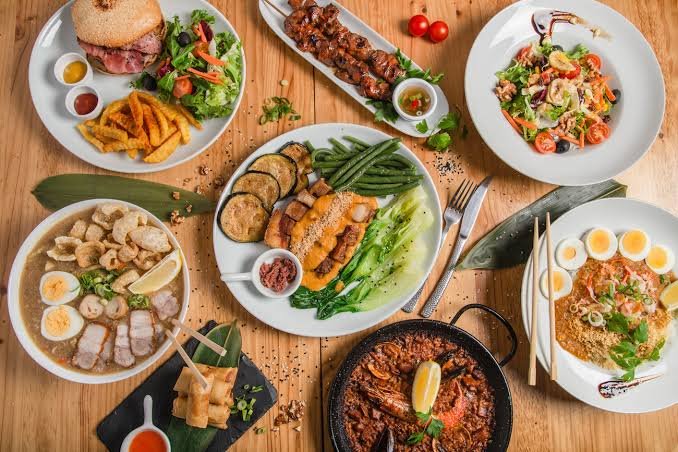
Filipino cuisine is one of Southeast Asia’s most diverse food traditions. Shaped by centuries of indigenous cooking, Spanish influence, Chinese trade, and American culture, it offers bold flavors that are comforting, satisfying, and surprisingly varied.
If you’re exploring the best Filipino food for the first time, you may notice that many dishes balance salty, sour, sweet, and savory flavors in a single meal. Rice is almost always present, while meats, seafood, tropical fruits, and vegetables play equally important roles.
This guide introduces the most popular Filipino dishes, explains what makes them unique, and offers tips for enjoying them like a local.
What Is Filipino Food?
Filipino food refers to the traditional cuisine of the Philippines, an archipelago of more than 7,000 islands. Each region has its own specialties, ingredients, and cooking styles, resulting in an impressive variety of dishes.
Common cooking methods include:
- Braising
- Grilling
- Stewing
- Frying
- Roasting
- Steaming
Staple ingredients include:
- Rice
- Vinegar
- Soy sauce
- Garlic
- Coconut milk
- Fish sauce
- Calamansi
- Fresh seafood
- Pork
- Chicken
- Tropical fruits
Rather than relying on heavy spices, Filipino cooking often builds flavor through slow cooking, marinades, and carefully balanced seasonings.
Why Filipino Cuisine Stands Out
Filipino food is known for its comforting, home-style character.
Unlike cuisines that emphasize intense heat, many Filipino dishes focus on rich savory flavors balanced by acidity from vinegar or citrus. The result is food that feels hearty without becoming overwhelming.
Another defining feature is the culture of sharing. Meals are commonly served family-style, encouraging everyone at the table to sample multiple dishes together.
Best Filipino Food You Should Try
1. Chicken Adobo
Adobo is widely considered the national dish of the Philippines.
Chicken, pork, or both are simmered in:
- Vinegar
- Soy sauce
- Garlic
- Bay leaves
- Black peppercorns
The slow cooking creates tender meat with a rich, tangy sauce that pairs perfectly with steamed rice.
Best for: First-time visitors.
2. Pork Adobo
While chicken adobo is common, pork offers a richer, more indulgent version.
Long simmering allows the fat to render into the sauce, creating exceptional depth of flavor.
3. Sinigang
Sinigang is a comforting sour soup made with pork, shrimp, fish, or beef.
Its signature tang comes from ingredients such as:
- Tamarind
- Green mango
- Guava
- Kamias
Vegetables like kangkong, radish, eggplant, and long beans complete the dish.
Flavor profile: Bright, refreshing, and savory.
4. Kare-Kare
Kare-kare is a rich peanut stew often made with:
- Oxtail
- Beef
- Tripe
- Vegetables
It is traditionally served with bagoong (fermented shrimp paste), which adds a salty contrast to the creamy sauce.
5. Lechon
Lechon is a whole roasted pig famous for its crispy skin and juicy meat.
It is typically served during:
- Weddings
- Christmas
- Birthdays
- Festivals
Many food lovers consider Cebu-style lechon among the finest versions.
6. Sisig
Originally from Pampanga, sisig consists of finely chopped pork mixed with onions, chili, and citrus.
Many restaurants serve it on a sizzling cast-iron plate, adding extra aroma and texture.
7. Pancit Canton
Pancit refers to Filipino noodle dishes.
Pancit Canton features stir-fried egg noodles with vegetables, meat, and seafood.
It is commonly served during birthdays because noodles symbolize long life.
8. Pancit Bihon
This lighter noodle dish uses thin rice noodles instead of egg noodles.
It is simple, flavorful, and one of the most common dishes at family gatherings.
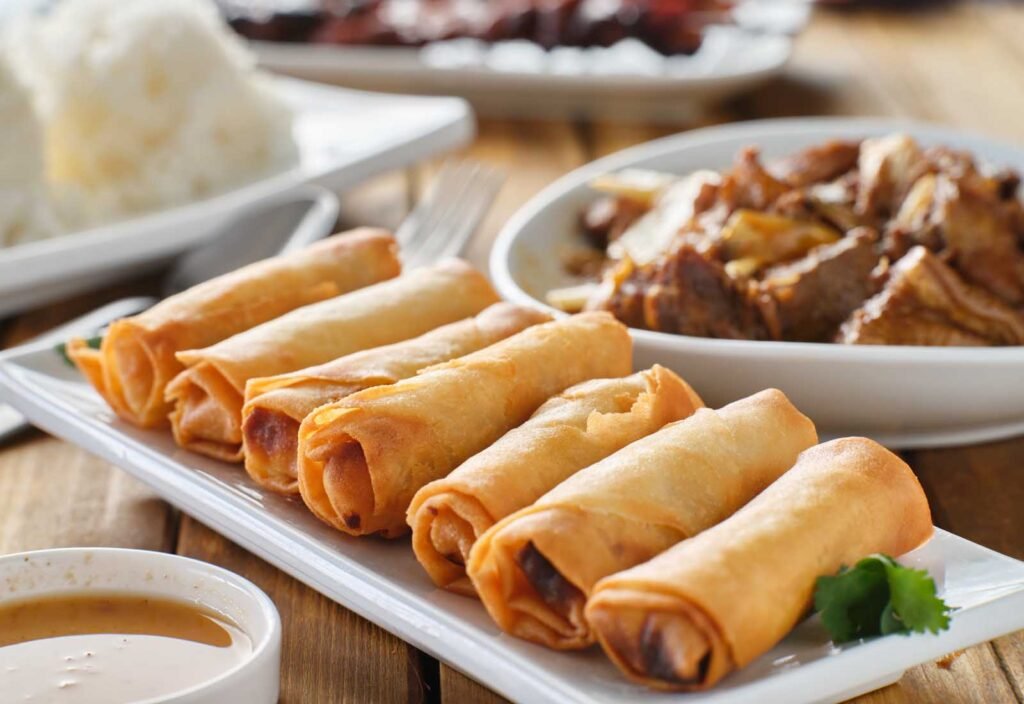
9. Lumpia
Lumpia are Filipino spring rolls.
Popular varieties include:
- Fresh lumpia
- Fried vegetable lumpia
- Pork lumpia
- Shrimp lumpia
The crispy fried version is especially popular as an appetizer.
10. Bulalo
Bulalo is a slow-cooked beef shank soup featuring bone marrow and vegetables.
The broth develops a deep, rich flavor after hours of simmering.
11. Bicol Express
Named after the Bicol region, this spicy dish combines:
- Pork
- Coconut milk
- Chili peppers
- Shrimp paste
It is ideal for anyone who enjoys creamy yet spicy meals.
12. Laing
Laing features dried taro leaves cooked slowly in coconut milk with garlic, ginger, and chili.
Its creamy texture makes it a favorite side dish.
13. Tinola
Tinola is a light chicken soup flavored with ginger, green papaya, and leafy vegetables.
It is often served when someone wants a nourishing, comforting meal.
14. Dinuguan
Dinuguan is a savory stew made with pork and pork blood, creating a rich, dark sauce.
Although its ingredients may surprise first-time diners, many appreciate its deep, complex flavor.
15. Inasal
Chicken Inasal originates from Bacolod.
The chicken is marinated with:
- Calamansi
- Garlic
- Vinegar
- Lemongrass
- Annatto oil
Then it is grilled over charcoal.
16. Tocino
Tocino is sweet cured pork commonly served for breakfast with:
- Garlic fried rice
- Fried egg
This classic combination is known as Tosilog.
17. Longganisa
Filipino sausages vary by region.
Some are sweet, while others are garlicky or slightly sour.
Each province has its own distinctive recipe.
18. Bangus
Milkfish is the national fish of the Philippines.
It may be:
- Fried
- Grilled
- Stuffed
- Marinated
Its mild flavor makes it popular across all age groups.
19. Kinilaw
Often compared to ceviche, kinilaw uses fresh seafood cured in vinegar and citrus instead of heat.
The result is refreshing and light.
20. Halo-Halo
Halo-halo is perhaps the country’s most famous dessert.
It combines:
- Shaved ice
- Evaporated milk
- Sweet beans
- Jellies
- Coconut
- Ube
- Leche flan
- Ice cream
Every spoonful offers a different combination of flavors and textures.
21. Bibingka
Bibingka is a soft rice cake traditionally enjoyed during the Christmas season.
It is often topped with salted egg, butter, cheese, and grated coconut.
22. Puto
Puto are steamed rice cakes that pair especially well with savory dishes like dinuguan.
They are soft, fluffy, and lightly sweet.
23. Turon
Turon consists of sliced banana wrapped in spring roll pastry and fried until crisp.
Many versions also include jackfruit.
24. Ube Halaya
Made from purple yam, ube halaya is a creamy dessert enjoyed on its own or used in cakes, pastries, and ice cream.
Its naturally vibrant color makes it instantly recognizable.
25. Leche Flan
This smooth caramel custard reflects Spanish influence on Filipino cuisine.
Its rich texture makes it a favorite dessert for celebrations.
Regional Filipino Specialties Worth Exploring
The Philippines is home to many regional dishes that are less familiar internationally but highly regarded locally.
Some standouts include:
| Region | Specialty |
|---|---|
| Pampanga | Sisig |
| Cebu | Lechon |
| Bicol | Bicol Express, Laing |
| Iloilo | Batchoy |
| Bacolod | Chicken Inasal |
| Batangas | Bulalo |
| Mindanao | Satti |
| Ilocos | Bagnet |
Trying regional specialties offers a deeper appreciation of how diverse Filipino cuisine really is.
How to Enjoy Filipino Food for the First Time
If you’re new to Filipino cuisine, start with dishes that showcase its signature flavors without being too adventurous.
A great first meal could include:
- Chicken adobo
- Sinigang
- Lumpia
- Garlic rice
- Halo-halo for dessert
This combination highlights the balance of savory, tangy, crispy, and sweet flavors that define Filipino cooking.
Common Mistakes When Ordering Filipino Food
Ordering only fried dishes
Filipino cuisine includes excellent soups, stews, grilled meats, and vegetable dishes. Mixing different cooking styles creates a more balanced meal.
Skipping the rice
Many dishes are designed to be eaten with steamed rice. It balances rich sauces and bold flavors.
Ignoring regional specialties
Restaurant menus often feature local favorites that deserve attention beyond the well-known classics.
Expecting everything to be spicy
Most Filipino dishes are mildly seasoned. Chili is usually optional rather than central to the recipe.
Expert Tips for Enjoying Filipino Cuisine
- Share dishes with friends or family to sample a wider variety.
- Pair rich foods like lechon with vinegar-based dipping sauces.
- Try both grilled and stewed dishes for a balanced experience.
- Ask about house specialties, especially at family-owned restaurants.
- Save room for dessert—Filipino sweets are an essential part of the dining experience.
Why Filipino Food Continues to Grow in Popularity
Filipino cuisine has gained international recognition because it combines familiar comfort foods with distinctive flavors.
Chefs around the world have introduced modern interpretations while preserving traditional cooking techniques. At the same time, Filipino communities across the globe continue sharing authentic recipes that celebrate family traditions and regional heritage.
As more people discover these dishes, Filipino food is earning the attention it has long deserved.
Final Thoughts
The best Filipino food goes far beyond a single signature dish. From the tangy richness of adobo and the comforting warmth of sinigang to the festive crispness of lechon and the colorful sweetness of halo-halo, Filipino cuisine offers something for nearly every palate.
If you’re trying Filipino food for the first time, begin with a mix of classic favorites and regional specialties. Sampling different textures, flavors, and cooking styles is the best way to appreciate the depth of this vibrant culinary tradition.
Frequently Asked Questions
1. What is the most popular Filipino food?
Chicken adobo is often considered the most popular Filipino dish because of its rich, tangy flavor and widespread popularity throughout the Philippines.
2. What food should I try first in the Philippines?
Start with adobo, sinigang, lumpia, pancit, and halo-halo. These dishes provide an excellent introduction to Filipino cuisine.
3. Is Filipino food spicy?
Most traditional Filipino dishes are mildly seasoned. Some regional specialties, such as Bicol Express, are intentionally spicy, but chili is usually optional.
4. What dessert is famous in the Philippines?
Halo-halo is the country’s best-known dessert, followed by leche flan, bibingka, turon, and ube halaya.
5. Is Filipino food healthy?
Many Filipino dishes can be part of a balanced diet, especially grilled seafood, vegetable-based meals, soups, and fresh fruit. Some fried or rich dishes are best enjoyed in moderation.
6. Why is rice served with almost every Filipino meal?
Rice is the staple food in the Philippines and helps balance savory, tangy, and rich flavors while making meals more filling.
7. What makes Filipino food unique?
Filipino cuisine blends indigenous traditions with Spanish, Chinese, and American influences. Its distinctive balance of salty, sour, sweet, and savory flavors sets it apart from many other cuisines.














No Comments