


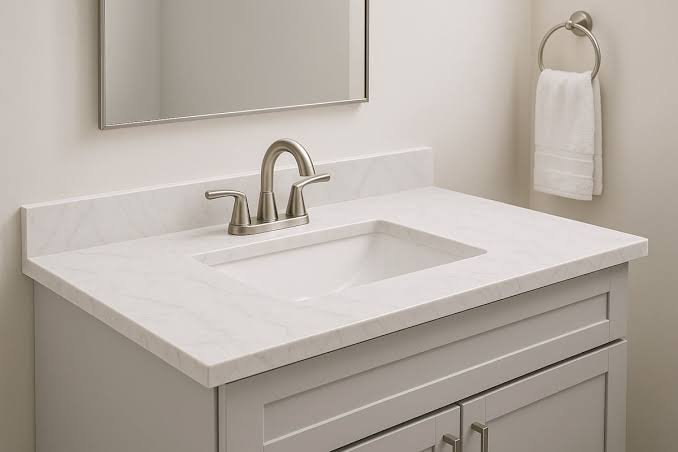
Choosing the right material for a bathroom vanity, shower surround, or countertop isn’t always straightforward. Cultured marble often catches people’s attention because it looks similar to natural stone while costing significantly less. It offers a polished appearance, comes in many colors, and is relatively easy to install.
However, every material has its trade-offs. Understanding the disadvantages of cultured marble before making a purchase can help you avoid disappointment later. In some homes, it’s an excellent choice. In others, another surface may perform better over the long term.
This guide explains the most common drawbacks, compares cultured marble with other popular materials, and helps you decide whether it’s the right fit for your project.
What Is Cultured Marble?
Despite its name, cultured marble is not a solid piece of natural marble.
Instead, it’s a manufactured product made by combining crushed marble dust with polyester resin and pigments. The mixture is poured into molds and finished with a clear protective gel coat that creates a glossy surface.
Because it is molded rather than cut from stone, manufacturers can produce seamless shower walls, integrated sinks, backsplashes, and custom vanity tops in many shapes and sizes.
Why Understanding the Drawbacks Matters
Cultured marble can look beautiful on installation day, but appearance isn’t the only factor worth considering.
Bathrooms experience daily exposure to moisture, soap, cosmetics, hair products, cleaning chemicals, and temperature changes. A material that performs well under these conditions can save years of maintenance and replacement costs.
Knowing the limitations beforehand helps you match the material to your lifestyle instead of simply choosing based on price or appearance.
Main Disadvantages of Cultured Marble
1. The Surface Can Scratch Easily
One of the biggest concerns is scratching.
The glossy gel coat protects the material underneath, but it isn’t as hard as natural stone or quartz. Sharp objects like razors, metal tools, jewelry, or dropped grooming accessories can leave visible marks.
Minor scratches may sometimes be polished out, but deeper damage is more difficult to repair.
2. Heat Can Damage the Finish
Cultured marble doesn’t tolerate high temperatures as well as many stone surfaces.
Placing hot styling tools directly on the countertop—such as curling irons or hair straighteners—can discolor or damage the protective coating.
Using heat-resistant mats is a simple precaution, but it’s an extra consideration that some homeowners overlook.
3. The Gel Coat Wears Down Over Time
The shiny finish comes from a protective gel coat rather than the material itself.
After years of cleaning and everyday use, that coating can become:
- Dull
- Thin
- Cloudy
- Less resistant to stains
Once the finish begins wearing away, restoring the original appearance usually requires professional refinishing or replacement.
4. Repairs Are Often Noticeable
Unlike solid natural stone, cultured marble isn’t always easy to repair invisibly.
Small chips may be filled with repair compounds, but matching the original color and glossy finish can be challenging.
In bright bathrooms, repaired areas often become visible under natural light.
5. It Can Stain if the Protective Layer Is Damaged
The gel coat provides the primary stain resistance.
If that coating cracks or becomes worn, moisture and colored liquids may penetrate beneath the surface.
Common staining sources include:
- Hair dye
- Nail polish
- Cosmetics
- Strong cleaning chemicals
- Certain soaps
Prompt cleanup helps reduce the risk.
6. Harsh Cleaners Can Cause Damage
Many people assume they can use any bathroom cleaner.
That’s not the case.
Abrasive powders, rough scrubbing pads, bleach-based products, and some acidic cleaners can dull or scratch the finish.
Instead, cultured marble usually performs best with mild soap, warm water, and non-abrasive cleaning products.
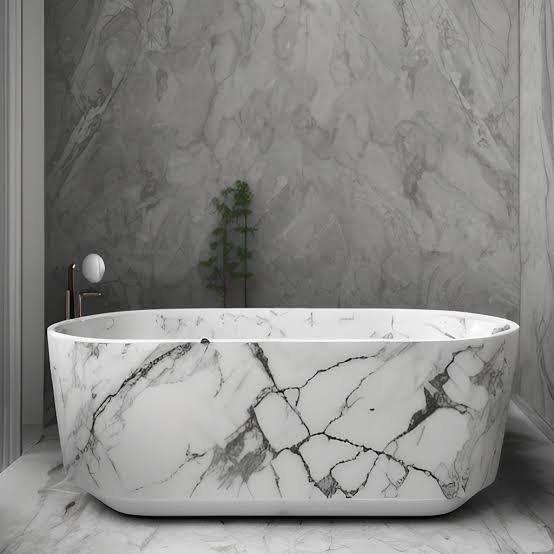
7. It Doesn’t Have the Same Prestige as Natural Stone
Although modern cultured marble has improved significantly, experienced buyers often recognize the difference.
Natural marble features unique veining created over millions of years.
Cultured marble patterns are manufactured, meaning repeated designs may appear across different pieces.
For luxury homes, buyers may prefer natural stone or engineered quartz.
8. Resale Appeal May Be Lower
Kitchen and bathroom materials can influence buyer perception.
While cultured marble looks attractive in many homes, premium buyers often expect:
- Quartz
- Granite
- Genuine marble
- Solid surface materials
Cultured marble isn’t necessarily a negative feature, but it rarely adds the same perceived value as higher-end materials.
9. Color May Fade After Years of Sunlight
Bathrooms with large windows receive considerable UV exposure.
Over many years, prolonged sunlight can gradually affect the gel coat or pigments, leading to uneven fading.
This isn’t always noticeable immediately, but it may become visible in bright spaces over time.
10. Limited Refinishing Options
Natural marble can often be professionally polished multiple times.
Cultured marble has a much thinner protective surface.
Once significant wear occurs, there is less material available for restoration, limiting refinishing possibilities.
11. Seams Can Still Be Visible on Larger Installations
Although cultured marble is known for seamless shower panels, very large installations may still require joints.
Poor installation can leave visible seams or uneven transitions.
Choosing an experienced installer becomes especially important for oversized showers or custom vanities.
12. Quality Varies Between Manufacturers
Not all cultured marble products are made to the same standard.
Lower-quality products may have:
- Thinner gel coats
- Less consistent coloring
- Lower-quality resins
- Poor finishing
Higher-quality manufacturing generally results in a longer-lasting product, so comparing suppliers is worthwhile rather than choosing solely by price.
Advantages Worth Considering
Despite its disadvantages, cultured marble still offers several benefits.
These include:
- Lower cost than natural marble
- Smooth, non-porous surface
- Easy everyday cleaning
- Integrated sinks without seams
- Wide variety of colors
- Custom sizing options
- Attractive appearance for many bathrooms
For many homeowners, these advantages outweigh the drawbacks, especially in guest bathrooms or budget-conscious renovations.
Cultured Marble vs. Other Materials
| Material | Durability | Maintenance | Heat Resistance | Repairability | Cost |
|---|---|---|---|---|---|
| Cultured Marble | Moderate | Easy | Moderate | Fair | $$ |
| Quartz | High | Very Easy | Good | Limited | $$$ |
| Granite | High | Moderate | Excellent | Good | $$$ |
| Natural Marble | Moderate | Higher | Excellent | Good | $$$$ |
| Solid Surface | Good | Easy | Moderate | Excellent | $$$ |
When Cultured Marble Is a Good Choice
Cultured marble works well if you:
- Want an affordable bathroom upgrade
- Prefer a seamless vanity with an integrated sink
- Need custom dimensions
- Plan to maintain the surface carefully
- Don’t expect heavy wear
Many homeowners enjoy years of trouble-free use when the material is installed correctly and cleaned properly.
When You Should Consider Another Material
You may want to choose another option if you:
- Frequently place hot styling tools on countertops
- Want maximum scratch resistance
- Expect luxury resale appeal
- Prefer genuine natural stone
- Need a surface that can be refinished repeatedly
In these situations, quartz or granite may be a better long-term investment.
Common Mistakes Buyers Make
Avoid these common errors before purchasing cultured marble:
- Assuming it performs exactly like natural marble.
- Using abrasive bathroom cleaners.
- Ignoring manufacturer care instructions.
- Choosing the lowest-priced installer without checking experience.
- Placing hot appliances directly on the surface.
- Delaying repairs when chips or cracks appear.
Simple habits can significantly extend the life of cultured marble.
Expert Tips for Maintaining Cultured Marble
- Clean spills promptly.
- Use microfiber cloths instead of abrasive pads.
- Avoid acidic or harsh chemical cleaners.
- Place heat-resistant mats under hot styling tools.
- Dry surfaces after heavy water exposure.
- Repair small chips before moisture reaches the underlying material.
Routine care often makes a noticeable difference in preserving the glossy finish.
Final Thoughts on the Disadvantages of Cultured Marble
The disadvantages of cultured marble don’t necessarily make it a poor choice—they simply highlight where the material performs best and where it falls short.
For homeowners seeking an attractive, affordable bathroom surface with low day-to-day maintenance, cultured marble can provide excellent value. However, those prioritizing maximum durability, superior heat resistance, or luxury resale appeal may find quartz, granite, or natural marble to be better long-term options.
The key is matching the material to your expectations, budget, and how your bathroom will be used. Understanding both the strengths and limitations before installation helps ensure you’re satisfied with your investment for years to come.
Frequently Asked Questions
1. What are the biggest disadvantages of cultured marble?
The main disadvantages of cultured marble include scratching, heat sensitivity, gel coat wear, visible repairs, and lower resale appeal compared to premium stone materials.
2. Does cultured marble crack easily?
It is fairly durable under normal use, but heavy impacts or improper installation can lead to chips or cracks.
3. Is cultured marble difficult to maintain?
No. It is generally easy to clean with mild soap and non-abrasive cleaners, though harsh chemicals should be avoided.
4. How long does cultured marble typically last?
With proper care, cultured marble can remain in good condition for many years. Lifespan depends on installation quality, daily use, and maintenance.
5. Can scratches be repaired?
Light surface scratches can often be polished, while deeper scratches and chips may require professional repair and may still remain visible.
6. Is cultured marble better than quartz?
They serve different needs. Quartz is generally harder, more heat resistant, and longer lasting, while cultured marble is usually more affordable and offers seamless molded designs.
7. Does cultured marble increase home value?
It can improve the appearance of a bathroom, but it generally does not add as much perceived value as premium materials like quartz or natural stone.














No Comments