


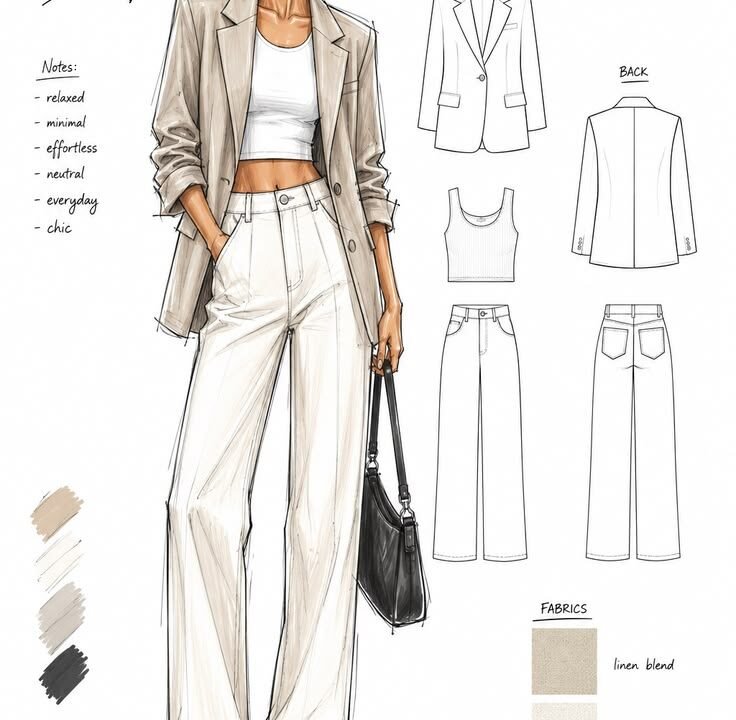
A style sketch is often the first step in turning a creative idea into something real. Before fabrics are chosen or garments are sewn, designers usually begin with quick drawings that capture silhouettes, proportions, colors, and details.
The good news is that creating a style sketch isn’t limited to professional fashion designers. Artists, students, clothing brands, costume designers, and hobbyists all use sketching to organize ideas and experiment with different looks.
This guide explains what a style sketch is, why it’s useful, and how you can improve your own sketches with practical techniques instead of relying on artistic talent alone.
What Is a Style Sketch?
A style sketch is a visual drawing that represents the appearance of clothing, accessories, hairstyles, or an entire outfit. Rather than producing a highly detailed illustration, the goal is to communicate design ideas clearly.
Style sketches can range from:
- Quick pencil concepts
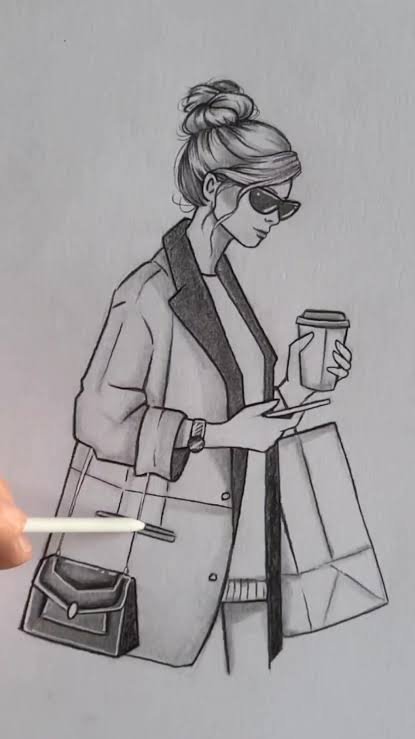
- Fashion figure drawings
- Technical clothing sketches
- Digital illustrations
- Streetwear concept designs
- Editorial fashion artwork
Some sketches focus on creativity, while others are created specifically for manufacturers to understand how a garment should be constructed.
Why Style Sketches Matter
Sketching allows designers to solve problems before investing time and money in production.
Instead of cutting fabric immediately, a designer can test:
- Different silhouettes
- Sleeve variations
- Collar shapes
- Fabric combinations
- Pocket placement
- Decorative details
Making changes on paper is much faster than modifying a finished garment.
For students, sketching also develops observation skills and helps improve understanding of body proportions and clothing movement.
Different Types of Style Sketches
Fashion Figure Sketches
These focus on the overall appearance of an outfit using elongated body proportions that showcase clothing elegantly.
Common uses include:
- Fashion collections
- Portfolio work
- Design presentations
Technical Sketches (Flat Sketches)
Technical sketches remove the human figure and display garments from the front, back, and sometimes the side.
These drawings emphasize construction details like:
- Stitching
- Seams
- Buttons
- Zippers
- Measurements
Manufacturers rely on these drawings during production.
Concept Sketches
Concept sketches are loose and experimental.
Rather than worrying about perfection, designers quickly explore multiple ideas before choosing the strongest design.
Digital Style Sketches
Many professionals now sketch digitally using tablets and drawing software.
Digital sketches make it easy to:
- Edit colors
- Duplicate designs
- Add textures
- Share files with clients
- Organize collections
Traditional pencil sketching, however, remains valuable because it strengthens drawing fundamentals.
Benefits of Creating Style Sketches
Better Creative Planning
Sketching gives ideas structure. Instead of relying on memory, you create a visual roadmap for future work.
Faster Design Decisions
Testing multiple variations on paper helps identify stronger concepts before production begins.
Improved Communication
Designers often collaborate with clients, manufacturers, photographers, or marketing teams.
A clear sketch reduces misunderstandings and keeps everyone aligned.
Stronger Portfolio
Fashion schools and employers frequently ask to see design sketches because they reveal your creative thinking—not just the finished product.
Greater Design Confidence
The more you sketch, the more comfortable you become experimenting with shapes, proportions, and styling choices.
How to Create a Style Sketch Step by Step
Step 1: Gather Inspiration
Collect references from:
- Fashion magazines
- Street photography
- Runway collections
- Nature
- Architecture
- Historical clothing
The goal isn’t to copy but to identify shapes, colors, and design elements that inspire new ideas.
Step 2: Draw the Figure
Most fashion sketches begin with a simple figure.
Keep proportions consistent rather than striving for anatomical perfection.
Many designers use light construction lines before adding details.
Step 3: Sketch the Outfit
Draw the clothing over the figure.
Focus first on:
- Overall silhouette
- Length
- Volume
- Fit
Leave small details until the overall design feels balanced.
Step 4: Add Construction Details
Now include features such as:
- Pleats
- Pockets
- Buttons
- Belts
- Cuffs
- Stitching
- Layering
These details help communicate how the garment will look in real life.
Step 5: Apply Color
Color can completely change the mood of a design.
Many artists use:
- Colored pencils
- Alcohol markers
- Watercolor
- Digital brushes
Limit your initial palette so the main design remains the focus.
Step 6: Add Fabric Texture
Different fabrics behave differently.
For example:
- Denim appears structured.
- Silk drapes softly.
- Wool feels heavier.
- Leather reflects light.
- Linen creates natural wrinkles.
Showing these characteristics makes sketches more believable.
Step 7: Review and Refine
Before calling the sketch complete, ask yourself:
- Does the silhouette look balanced?
- Are proportions consistent?
- Does the outfit feel practical?
- Is the design original?
- Would someone understand the concept without explanation?
Small revisions often make a significant difference.
Common Mistakes to Avoid
Drawing Too Dark Too Soon
Start with light lines so corrections remain easy.
Ignoring Proportions
Even stylized fashion figures should maintain consistent body relationships.
Overloading Details
Too many decorative elements can distract from the overall concept.
Forgetting Fabric Behavior
Clothing should hang naturally.
Understanding folds, weight, and movement greatly improves realism.
Skipping Practice
Improvement comes through repetition.
Short daily sketching sessions are usually more effective than occasional long ones.
Expert Tips for Better Style Sketches
- Study real garments rather than relying only on imagination.
- Practice drawing different body poses.
- Learn basic clothing construction.
- Experiment with limited color palettes.
- Keep a dedicated sketchbook for ideas.
- Save older sketches to track progress.
- Sketch quickly before refining details.
- Observe how fabric folds during everyday movement.
Many experienced designers fill dozens of sketchbook pages before selecting a final concept. Quantity often leads to stronger ideas because it encourages experimentation instead of perfection.
Traditional vs. Digital Style Sketching
| Traditional Sketching | Digital Sketching |
|---|---|
| Affordable to start | Faster editing |
| Improves drawing skills | Easy color adjustments |
| Portable sketchbooks | Unlimited undo options |
| Natural pencil feel | Quick sharing with clients |
| Excellent for brainstorming | Ideal for professional workflows |
Many designers combine both methods by creating rough pencil sketches first and finishing them digitally.
Who Uses Style Sketches?
Style sketches are valuable across many creative fields, including:
- Fashion designers
- Clothing brands
- Costume designers
- Fashion students
- Illustrators
- Textile designers
- Personal stylists
- Apparel manufacturers
- Fashion bloggers
- Creative directors
Each group uses sketches differently, but the purpose remains the same: turning ideas into clear visual concepts.
Final Thoughts
A style sketch is more than a drawing—it’s a planning tool that helps transform ideas into wearable designs. It allows designers to experiment, solve problems early, and communicate their vision with clarity.
You don’t need exceptional artistic ability to begin. Consistent practice, careful observation, and a willingness to revise your work are far more valuable than aiming for perfection on the first attempt. As your confidence grows, your sketches will become clearer, more expressive, and better suited to bringing creative concepts to life.
5. FAQ Section
1. What is a style sketch?
A style sketch is a drawing that visually represents clothing, accessories, or fashion concepts before they are made. It helps communicate design ideas clearly.
2. Do I need to be good at drawing to create style sketches?
No. Strong style sketches rely more on clear ideas, consistent proportions, and observation than on advanced artistic skill.
3. What tools are best for style sketching?
Beginners often start with pencils, erasers, fineliners, and sketchbooks. Digital artists commonly use drawing tablets and illustration software.
4. How long does it take to improve at style sketching?
With regular practice, many people notice improvement within a few months. Daily sketching sessions are usually more effective than occasional long sessions.
5. Can I create style sketches digitally?
Yes. Digital sketching offers flexibility for editing, coloring, and sharing designs while preserving the core principles of fashion illustration.
6. What’s the difference between a fashion illustration and a technical sketch?
Fashion illustrations emphasize creativity and presentation, while technical sketches focus on construction details needed for garment production.
7. Why is a style sketch important in fashion design?
A style sketch allows designers to test ideas, refine details, and communicate concepts before investing time and resources in creating physical samples.














No Comments