


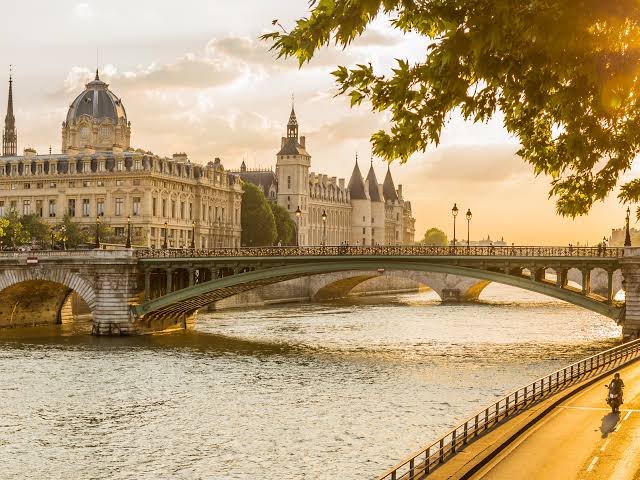
Paris has a reputation for romance, elegant architecture, and world-famous museums. But beyond the postcard landmarks, the French capital offers lively neighborhoods, local markets, peaceful gardens, and unforgettable food. The city’s charm often comes from wandering side streets as much as visiting famous attractions.
If you’re planning your first trip—or returning for another visit—this guide covers the best things to do in Paris, along with practical tips that help you make the most of your time.
Why Paris Continues to Captivate Travelers
Few cities combine history, art, fashion, and cuisine as naturally as Paris. Every arrondissement has its own personality. One neighborhood feels grand and elegant, while the next is filled with independent bookstores, cafés, and street art.
That’s why many travelers discover that their favorite memories aren’t always the biggest attractions. Sometimes they’re a quiet morning by the Seine or an afternoon spent people-watching from a neighborhood café.
Best Things to Do in Paris
1. Visit the Eiffel Tower
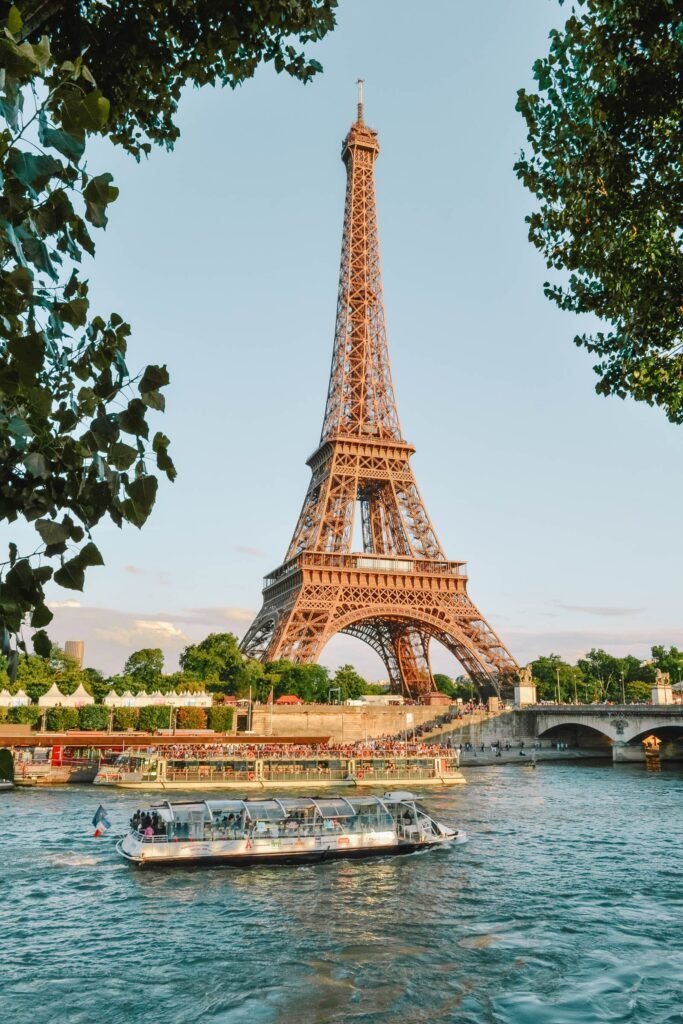
No visit feels complete without seeing the Eiffel Tower.
You can admire it from the ground, climb the stairs, or take the elevator to the summit for sweeping views across the city. Visiting early in the morning or after sunset usually means fewer crowds and a different atmosphere.
Tip: Reserve tickets in advance during peak travel seasons.
2. Explore the Louvre Museum
The Louvre is one of the world’s largest museums, housing thousands of works of art, including the Mona Lisa and Venus de Milo.
Trying to see everything in one day isn’t realistic.
Instead:
- Choose two or three sections.
- Download the museum map beforehand.
- Arrive early if possible.
You’ll enjoy the experience much more.
3. Walk Along the Seine River
Some of Paris’ most memorable moments don’t cost anything.
Walking beside the Seine lets you pass historic bridges, riverside cafés, booksellers, and famous monuments at your own pace.
Sunset is especially beautiful.
4. Discover Montmartre
Montmartre feels different from central Paris.
Its narrow streets, staircases, artists, and small cafés give the neighborhood a village-like atmosphere despite being in a major city.
Don’t miss:
- Place du Tertre
- Local bakeries
- Hidden gardens
- Street musicians
5. Visit Sacré-Cœur Basilica
Standing atop Montmartre, Sacré-Cœur offers one of the city’s finest panoramic viewpoints.
The basilica itself is free to enter, making it an excellent stop even for travelers on a budget.
6. See Notre-Dame Cathedral
After years of restoration, Notre-Dame remains one of Paris’ defining landmarks.
Even if you don’t go inside, the surrounding squares and nearby streets are worth exploring.
7. Wander Through Le Marais
Le Marais blends historic buildings with trendy boutiques, art galleries, and outstanding restaurants.
It’s an excellent neighborhood for:
- Shopping
- Café hopping
- Photography
- Evening walks
8. Relax in Luxembourg Gardens
These beautifully maintained gardens provide a peaceful break from sightseeing.
Visitors enjoy:
- Tree-lined paths
- Fountains
- Flower displays
- Outdoor chairs
- Children’s sailing boats
It’s a favorite spot for both locals and tourists.
9. Cruise the Seine
A river cruise offers a completely different perspective on Paris.
Many major landmarks—including the Eiffel Tower, Musée d’Orsay, and Notre-Dame—are visible from the water.
Evening cruises become especially memorable once the city lights appear.
10. Experience French Café Culture
Rather than rushing between attractions, slow down.
Order a coffee, pastry, or light lunch and spend time watching everyday Paris unfold around you.
This simple experience often becomes a highlight of the trip.
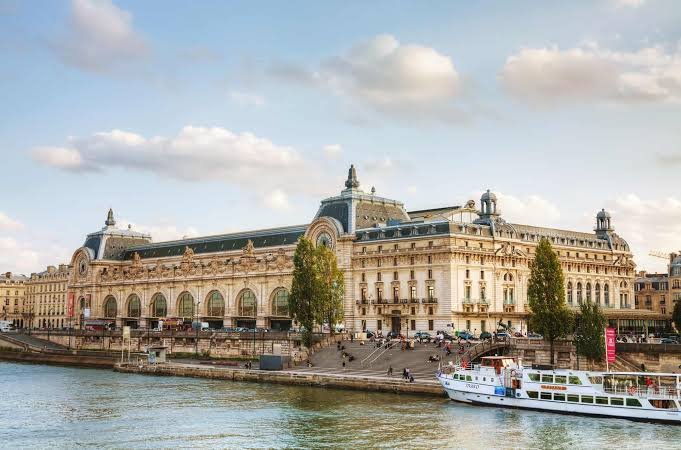
11. Visit Musée d’Orsay
Housed inside a former railway station, this museum features an outstanding collection of Impressionist masterpieces.
It’s often easier to explore than the Louvre while still offering world-class art.
12. Shop Along the Champs-Élysées
This famous avenue combines luxury boutiques, international brands, cafés, and historic landmarks.
Even if shopping isn’t your priority, walking the boulevard is part of the Paris experience.
13. Climb the Arc de Triomphe
Many visitors photograph the monument without climbing it.
That’s a mistake.
The rooftop offers one of the city’s best views—especially toward the Eiffel Tower and the Champs-Élysées.
14. Visit Sainte-Chapelle
Its remarkable stained-glass windows transform sunlight into an extraordinary display of color.
It’s smaller than many Paris attractions but leaves a lasting impression.
15. Explore Local Food Markets
Markets provide insight into everyday Parisian life.
Popular choices include:
- Fresh produce
- Artisan cheese
- Bread
- Flowers
- Local specialties
Arriving in the morning offers the widest selection.
16. Taste Authentic French Pastries
Paris is famous for:
- Croissants
- Pain au chocolat
- Éclairs
- Macarons
- Mille-feuille
Choosing independent bakeries instead of tourist-heavy shops often leads to better quality.
17. Visit the Latin Quarter
Known for its universities and historic streets, the Latin Quarter combines intellectual history with lively cafés, bookstores, and affordable restaurants.
It’s particularly enjoyable in the evening.
18. Explore Canal Saint-Martin
This area feels less touristy than central Paris.
Canal-side walks, small boutiques, and neighborhood cafés create a relaxed atmosphere that’s popular with locals.
19. Spend Time at Palais Garnier
Even travelers who don’t attend an opera appreciate the building’s spectacular architecture and richly decorated interiors.
Guided tours provide fascinating historical context.
20. Enjoy Paris After Dark
The city changes noticeably after sunset.
Many monuments become illuminated, bridges glow over the Seine, and cafés stay lively well into the evening.
Walking through central Paris at night can feel completely different from daytime sightseeing.
21. Browse Shakespeare and Company
This legendary English-language bookstore is a favorite stop for readers. Its cozy rooms, shelves packed with books, and literary history make it much more than a place to shop.
22. Visit the Catacombs of Paris
Beneath the city’s streets lies a network of tunnels containing the remains of millions of Parisians. It’s a fascinating experience for history enthusiasts, though it may not suit travelers who are uncomfortable in enclosed spaces.
23. Take a Day Trip to Versailles
If your schedule allows, set aside a full day for the Palace of Versailles. The palace, gardens, and fountains reveal the scale of French royal history and provide a contrast to central Paris.
24. Enjoy a Picnic
Pick up fresh bread, cheese, fruit, and pastries from local shops, then find a spot in a park or along the Seine.
It’s affordable, relaxing, and wonderfully Parisian.
25. Simply Wander
Some of Paris’ greatest pleasures aren’t planned.
Walk without a strict itinerary.
Explore quiet streets.
Step into a neighborhood bakery.
Browse small shops.
Unexpected discoveries often become the stories you’ll remember most.
Sample 3-Day Paris Itinerary
Day 1
- Eiffel Tower
- Seine River walk
- Arc de Triomphe
- Champs-Élysées
Day 2
- Louvre Museum
- Tuileries Garden
- Le Marais
- Seine evening cruise
Day 3
- Montmartre
- Sacré-Cœur
- Latin Quarter
- Luxembourg Gardens
This itinerary balances major attractions with quieter experiences, helping avoid museum fatigue while leaving room for spontaneous exploration.
Common Mistakes to Avoid
- Trying to visit too many museums in one day.
- Not booking popular attractions ahead of time.
- Eating only near major tourist sites.
- Wearing uncomfortable shoes.
- Ignoring neighborhood cafés in favor of chain restaurants.
- Assuming every attraction requires a full day.
Expert Tips for Visiting Paris
- Purchase timed-entry tickets whenever available.
- Start popular attractions early in the morning.
- Learn a few basic French greetings—locals usually appreciate the effort.
- Use the Metro for fast, affordable transportation.
- Leave time for unplanned walks instead of scheduling every hour.
- Visit major museums on weekdays if possible.
When Is the Best Time to Visit?
Each season offers something different.
Spring brings blooming gardens and comfortable weather.
Summer features long daylight hours but larger crowds.
Autumn offers pleasant temperatures and colorful parks.
Winter provides festive decorations, fewer tourists at many attractions, and a cozy café atmosphere.
There isn’t a single “best” season—it depends on your travel style.
Final Thoughts
The best things to do in Paris extend far beyond checking famous landmarks off a list. While iconic attractions deserve their place on every itinerary, the city’s true character often reveals itself in neighborhood cafés, riverside walks, bustling markets, and quiet streets that don’t appear in every guidebook.
Plan your must-see sights, but leave room for unexpected discoveries. Those spontaneous moments often become the highlights that bring travelers back to Paris again and again.
Frequently Asked Questions
1. What are the top things to do in Paris for first-time visitors?
Start with the Eiffel Tower, Louvre Museum, Seine River, Montmartre, Notre-Dame, Arc de Triomphe, and Luxembourg Gardens.
2. How many days should I spend in Paris?
Three to five days is enough to see the major attractions while still enjoying the city’s neighborhoods and cafés at a relaxed pace.
3. Is Paris expensive for tourists?
Paris can be costly, but many memorable experiences—walking along the Seine, exploring neighborhoods, visiting gardens, and seeing famous landmarks from the outside—are free.
4. What is the best month to visit Paris?
Many travelers prefer April, May, September, and October because of pleasant weather and relatively manageable crowds.
5. What should I not miss in Paris?
Don’t miss the Eiffel Tower, Louvre, Montmartre, Seine River, French bakeries, and at least one evening stroll through the city.
6. Is Paris walkable?
Yes. Many of the city’s most famous attractions are connected by scenic streets, making walking one of the best ways to explore.
7. Should I book attractions before arriving?
Yes. Popular attractions such as the Eiffel Tower, Louvre, and Versailles often sell out, especially during busy travel seasons.














No Comments