


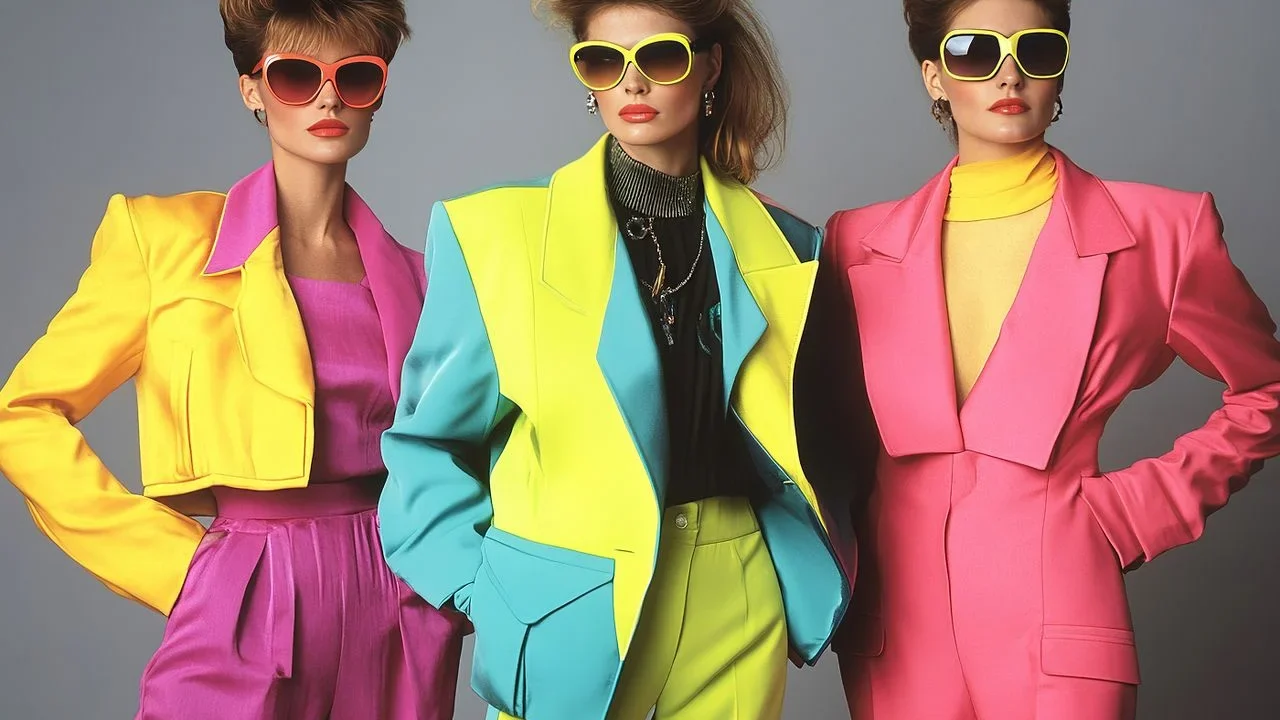
If you have ever wondered what is 1980s fashion, the short answer is that it was bold, expressive, and highly varied. The decade was known for strong silhouettes, bright colors, statement accessories, denim, sportswear, and styles influenced by music and youth culture. But 1980s fashion was much more than shoulder pads and neon clothing.
The 1980s brought together many different looks, from polished power suits and preppy clothing to punk, New Wave, hip-hop, athletic wear, and glamorous evening styles. Designers, musicians, television, movies, and street culture all helped shape the decade.
In this guide, you will learn what made 1980s fashion distinctive, which clothing pieces defined the era, how men’s and women’s styles differed, and how you can recognize or recreate an authentic 80s-inspired look.
What Is 1980s Fashion?
1980s fashion refers to the clothing, accessories, silhouettes, colors, and style movements that became popular during the 1980s. It was an expressive decade in which people often used clothing to communicate confidence, individuality, social identity, and cultural interests.
There was no single 80s look. Instead, several fashion movements existed at the same time.
Some of the most recognizable included:
- Power dressing and tailored suits
- Athletic and fitness-inspired clothing
- Punk and New Wave fashion
- Hip-hop and streetwear
- Preppy styles
- Denim-heavy outfits
- Glamorous eveningwear
- Oversized silhouettes
- Bright and contrasting colors
- Statement accessories
The Victoria and Albert Museum describes 1980s fashion as an especially diverse and innovative period, with strong connections between club culture, music, designers, magazines, and the catwalk.
Key Features of 1980s Fashion
1. Bold Shoulder Silhouettes
Shoulder pads became one of the most recognizable features of 1980s clothing.
They appeared in:
- Women’s blazers
- Business suits
- Dresses
- Coats
- Eveningwear
The wider shoulder created a strong, structured shape. This became closely associated with the decade’s idea of confidence and professional dressing.
2. Bright Colors
Color was an important part of 80s style.
Popular choices included:
- Neon pink
- Electric blue
- Bright yellow
- Purple
- Turquoise
- Red
- Lime green
Not every outfit was neon, however. Black, white, gray, navy, denim, and earthy shades were also widely used.
3. Oversized Clothing
Many 1980s outfits used exaggerated proportions.
Oversized blazers, roomy sweaters, loose jackets, and large shirts could be paired with slimmer bottoms to create contrast.
This play with proportion is one reason 80s fashion remains easy to recognize today.
4. Denim
Denim was a major part of everyday 1980s clothing.
Popular pieces included:
- Acid-wash jeans
- Denim jackets
- High-waisted jeans
- Denim skirts
- Oversized denim shirts
Denim could be dressed up or down and was particularly useful for casual, youth-oriented looks.
Popular 1980s Fashion Trends
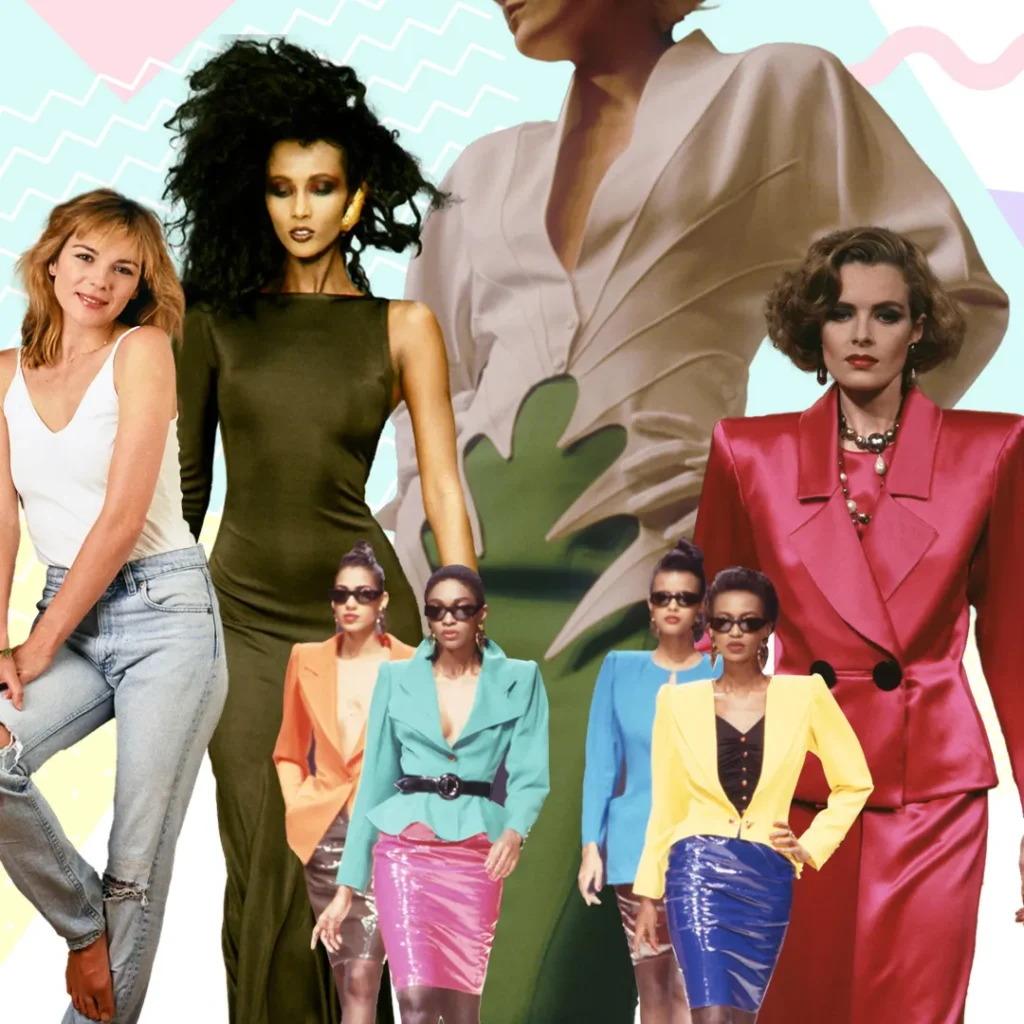
Power Dressing
Power dressing became one of the decade’s defining professional styles.
Women often wore structured jackets, tailored trousers, skirts, blouses, and suits. Strong shoulders and clean lines helped create a confident appearance.
The trend was not limited to one designer or one outfit. It reflected broader changes in workplace fashion and the growing visibility of women in professional environments.
Sportswear and Fitness Fashion
The fitness boom strongly influenced everyday clothing.
Leggings, sweatshirts, tracksuits, headbands, sneakers, and colorful athletic pieces moved beyond the gym and became fashionable casual wear.
This helped establish the idea that comfortable sports-inspired clothing could also be stylish.
Punk and New Wave
Not everyone followed polished mainstream fashion.
Punk and New Wave communities embraced more experimental clothing, including:
- Leather jackets
- Graphic shirts
- Distressed clothing
- Bold makeup
- Unusual accessories
- Customized garments
- Dark or contrasting colors
British designers such as Vivienne Westwood played an important role in developing rebellious fashion. The V&A’s collection includes influential Westwood pieces from 1980s collections such as Pirates, Buffalo Girls, and Witches.
Hip-Hop and Street Style
Music became increasingly important to fashion during the decade.
Hip-hop culture helped popularize relaxed silhouettes, athletic-inspired clothing, sneakers, hats, tracksuits, and bold accessories. At the same time, street style increasingly influenced mainstream fashion.
This connection between music and clothing was especially strong in 1980s London and New York.
Preppy Fashion
Another side of the decade was preppy fashion.
Typical pieces included:
- Polo shirts
- Button-down shirts
- Chinos
- Sweaters
- Pleated skirts
- Loafers
- Blazers
The result was cleaner and more traditional than punk or New Wave style.
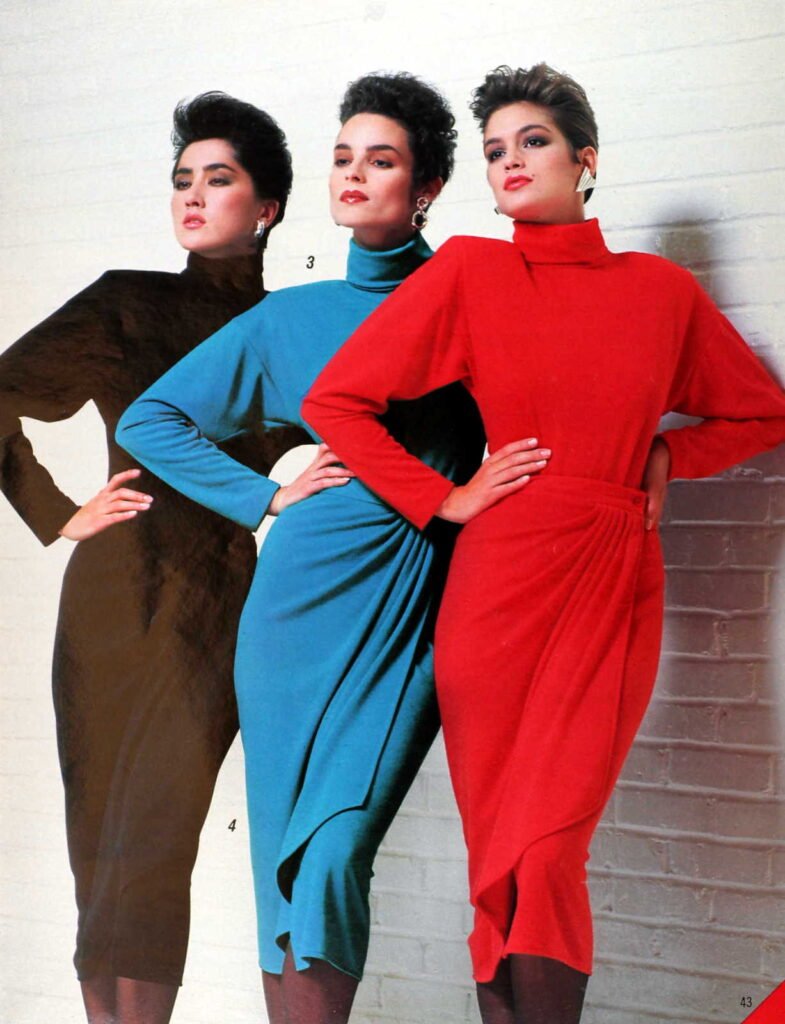
1980s Fashion for Women
Women’s fashion during the decade covered a surprisingly wide range of looks.
Common clothing included:
- Shoulder-padded blazers
- High-waisted trousers
- Pencil skirts
- Miniskirts
- Leggings
- Sweater dresses
- Oversized tops
- Jumpsuits
- Denim jackets
- Bold evening dresses
Accessories were often equally noticeable. Large earrings, belts, colorful handbags, sunglasses, scarves, and statement jewelry could transform a simple outfit.
Importantly, the decade was not defined by one universal body shape or outfit formula. Fashion designers experimented with everything from fitted garments to deliberately oversized and shapeless designs. The Metropolitan Museum of Art, for example, documents early-1980s avant-garde work by Rei Kawakubo that challenged conventional ideas of silhouette and proportion.
1980s Fashion for Men
Men’s fashion also became more diverse during the 1980s.
Popular styles included:
- Relaxed-fit jeans
- Denim jackets
- Polo shirts
- Graphic T-shirts
- Tracksuits
- Bomber jackets
- Leather jackets
- Tailored suits
- Loafers
- Sneakers
For formal and professional clothing, wider jackets and structured shoulders were common.
For casual clothing, music and street culture encouraged more relaxed and expressive combinations.
1980s Fashion and Music
Music was one of the biggest forces behind 80s fashion.
Different music scenes developed recognizable visual identities.
| Music Influence | Common Fashion Elements |
|---|---|
| Punk | Leather, distressed pieces, graphic clothing |
| New Wave | Experimental shapes, bold colors, unusual styling |
| Hip-hop | Sportswear, sneakers, relaxed silhouettes |
| Pop | Bright colors, statement accessories |
| Glam rock | Dramatic clothing, metallic details, theatrical styling |
| Dance/club culture | Bold outfits, fitted pieces, expressive accessories |
The relationship between fashion and music was particularly visible in London, where club culture influenced designers and catwalk fashion. The V&A notes that the decade’s club and catwalk scenes were closely connected.
Famous 1980s Fashion Designers
Several designers helped define the decade’s fashion landscape.
Vivienne Westwood
Westwood brought punk and historical influences into high fashion. Her 1980s work demonstrated how rebellious street culture could influence designer clothing.
Yves Saint Laurent
Yves Saint Laurent continued to influence elegant tailoring and sophisticated women’s clothing during the decade. The Metropolitan Museum of Art’s collection includes Saint Laurent designs from the 1980s.
Rei Kawakubo
Through Comme des Garçons, Kawakubo challenged traditional ideas about shape, proportion, and beauty. Her early-1980s collections became particularly influential in avant-garde fashion.
Stephen Sprouse
Stephen Sprouse combined pop culture, street style, color, and pattern. The Met notes that his early-1980s work reflected the energy of youth and music subcultures.
1980s Fashion vs. Modern 80s-Inspired Style
There is an important difference between authentic 1980s fashion and modern clothing inspired by the decade.
| Authentic 1980s Style | Modern 80s-Inspired Style |
| Often used exaggerated proportions | Usually uses one or two retro elements |
| Original vintage fabrics and construction | Modern fabrics and updated cuts |
| Full head-to-toe styling was common | Retro pieces are often mixed with basics |
| Strong decade-specific accessories | Accessories tend to be more subtle |
| Fashion reflected contemporary 1980s culture | Fashion uses the 80s as a reference |
If you want a modern look, you do not need to recreate an entire vintage outfit. A structured blazer, high-waisted denim, or statement earrings can provide an 80s influence without looking like a costume.
How to Create an 80s-Inspired Outfit Today
Try this simple approach:
- Choose one statement piece.
Start with a structured blazer, vintage-style denim jacket, bold sweater, or colorful accessory. - Add a simple base.
Pair it with jeans, trousers, or a plain skirt. - Use contrast.
Combine an oversized top with a more streamlined bottom or vice versa. - Add one or two accessories.
Try sunglasses, a belt, a watch, or simple statement jewelry. - Keep the outfit comfortable.
Modern 80s-inspired fashion works best when it fits your personal style instead of copying every trend from the decade.
Common Mistakes When Recreating 1980s Fashion
Mistake 1: Using Only Neon
Neon is associated with the 80s, but it was only one part of the decade’s fashion.
Better approach: Mix bright colors with denim, black, white, gray, or other neutral pieces.
Mistake 2: Treating the Decade as One Style
Punk, preppy fashion, sportswear, power dressing, hip-hop, and avant-garde fashion all existed during the same decade.
Better approach: Choose the specific 80s style that fits your goal.
Mistake 3: Overdoing Every Retro Detail
Combining shoulder pads, neon colors, oversized clothing, huge accessories, and dramatic patterns can make an outfit feel more like a costume.
Better approach: Pick one strong focal point and build around it.
Mistake 4: Ignoring Proportion
Silhouette was central to 1980s style.
Better approach: Think about the relationship between oversized and fitted pieces rather than simply adding more vintage details.
Pro Tips for Recognizing Authentic 80s Style
When identifying whether an outfit has a genuine 1980s influence, look for several details working together.
Ask:
- Is the silhouette noticeably structured or oversized?
- Does the clothing use high-waisted or exaggerated proportions?
- Are denim, sportswear, or tailored pieces prominent?
- Do the accessories have a distinctly statement-driven look?
- Does the styling reflect a specific music or youth subculture?
- Does the outfit combine contrasting textures or colors?
One detail alone does not necessarily make something “80s.” The overall combination is more important.
Internal Linking Opportunities
Consider linking this article to relevant Retool Master content using natural anchor text such as:
- small living room decorating ideas — when discussing how fashion and home trends reflect personal style.
- morning skincare routine — when discussing beauty and personal styling alongside vintage fashion.
- small gym equipment — when discussing the influence of fitness culture on 1980s clothing.
- how to decorate a small living room — as another lifestyle-focused guide.
- coffee table decor ideas — for readers exploring broader 1980s-inspired lifestyle aesthetics.
Only use these links where the surrounding article context makes the connection useful.
Authoritative External Sources
For readers who want to explore the history further, these sources provide reliable museum-backed information:
- Victoria and Albert Museum (V&A) — Its fashion collections and resources cover 1980s London fashion, designers, club culture, and influential garments.
- The Metropolitan Museum of Art — The Costume Institute collection includes numerous garments and designers from the 1980s, providing primary-object context for the period.
- V&A Vivienne Westwood Collection — Useful for understanding the relationship between punk, historical references, and 1980s British fashion.
Frequently Asked Questions
What is 1980s fashion known for?
1980s fashion is known for bold silhouettes, shoulder pads, bright colors, denim, sportswear, statement accessories, power dressing, and strong influences from music and youth culture.
What did people wear in the 1980s?
People wore many different styles, including jeans, denim jackets, blazers, suits, leggings, tracksuits, graphic T-shirts, skirts, sweaters, leather jackets, and statement accessories.
What colors were popular in 1980s fashion?
Bright colors such as neon pink, electric blue, yellow, purple, and turquoise were popular. However, neutral colors such as black, white, gray, and navy were also important.
Were shoulder pads popular in the 1980s?
Yes. Shoulder pads became a highly recognizable feature of 1980s women’s tailoring, jackets, dresses, and professional clothing.
What was 1980s women’s fashion like?
Women’s fashion included power suits, shoulder-padded blazers, high-waisted trousers, skirts, leggings, denim, oversized sweaters, bold accessories, and glamorous eveningwear.
What was 1980s men’s fashion like?
Men’s fashion ranged from tailored suits and polo shirts to jeans, graphic T-shirts, tracksuits, bomber jackets, leather jackets, and sneakers.
How did music influence 1980s fashion?
Music strongly influenced fashion through punk, New Wave, hip-hop, pop, rock, and club culture. Each scene developed distinctive clothing and styling choices.
Is 1980s fashion coming back?
Elements of 1980s fashion continue to influence modern clothing. Designers and brands regularly revisit oversized silhouettes, denim, strong shoulders, retro sportswear, and statement accessories.
How can I dress in 1980s style without looking dated?
Choose one or two 80s-inspired elements and combine them with modern basics. For example, try a structured blazer with simple jeans or vintage-style sneakers with contemporary casual clothing.
Why is 1980s fashion still popular?
The decade offers strong silhouettes, recognizable accessories, and many different style influences. Its bold approach also makes individual pieces easy to reinterpret for modern wardrobes.
Conclusion
So, what is 1980s fashion? It is best understood as a diverse collection of styles rather than one single trend. The decade brought together power dressing, denim, athletic wear, punk, New Wave, hip-hop, preppy clothing, glamorous eveningwear, and experimental designer fashion.
What makes 1980s style memorable is its willingness to experiment with proportion, color, texture, and personal expression. From structured shoulders to oversized denim and music-inspired streetwear, many of its ideas continue to influence fashion today.
If you want to bring the decade into your own style, start small. Choose one recognizable element, combine it with modern basics, and make the look your own. That is the easiest way to appreciate what is 1980s fashion without simply copying a vintage outfit.
Bring More Style Inspiration to Your Everyday Life
At Retool Master, explore practical guides covering fashion, beauty, home, lifestyle, and everyday ideas. Use the inspiration that fits your needs, adapt it to your personal style, and create something that feels genuinely yours.












No Comments